Home / Lifestyle / Low-Alcohol Boom Sweeps the Capital
Low-Alcohol Boom Sweeps the Capital
17 Jan
Summary
- 41% of Londoners joined Dry January, surpassing national average.
- 70% of London drinkers try to moderate alcohol intake.
- Low and no-alcohol beer market projected to reach £800m by 2028.
Londoners are increasingly embracing low and zero-alcohol drinks, with participation in Dry January reaching 41% in the capital, significantly higher than the national average. This mindful drinking trend is not confined to January, as 23% of Londoners aim to reduce alcohol intake throughout 2026 and 42% express greater concern about long-term health impacts. Consequently, 70% of drinkers in London are actively moderating their consumption.
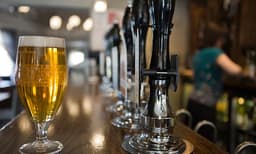
The beverage industry is responding to this demand, with breweries like Small Beer Brewery specializing in lower-alcohol beers, up to 2.8% ABV. Recent UK alcohol duty reforms, introduced in August 2023, also incentivize lower-strength drinks with reduced tax rates. Pubs are increasingly offering more alcohol-free options, with campaigner Joe Marley noting that nine out of ten pubs now provide them.
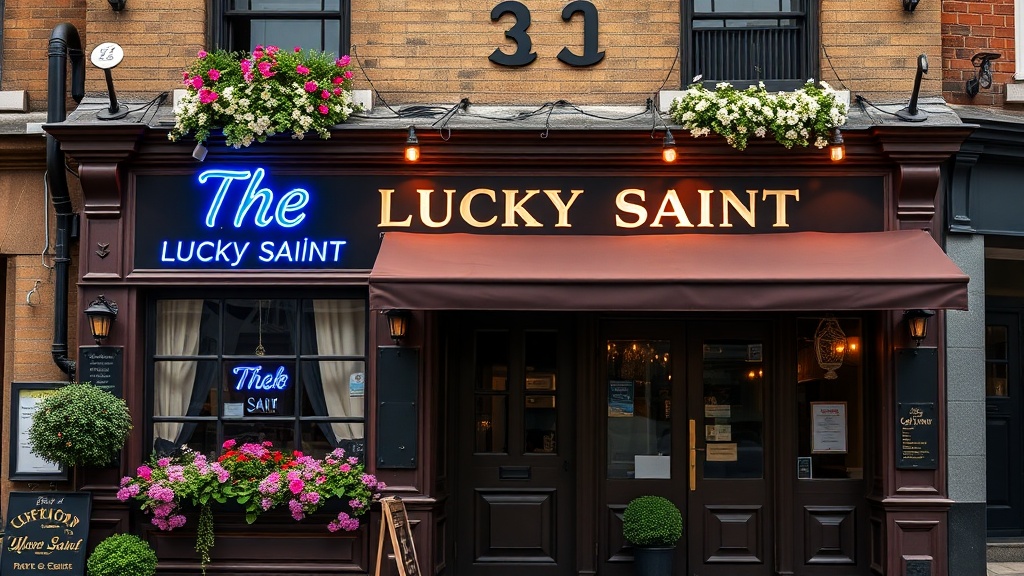
Despite this growth, low and no-alcohol beer still holds only 2% of the market, though it is projected to be worth £800 million by 2028. Challenges such as price, taste, and visibility persist. While venues like The Lucky Saint pub cater to a mixed clientele, some alcohol-free establishments, like Club Soda Tasting Room, face operational hurdles, though they are seeking new locations.