Home / Lifestyle / Kimono's Second Life: Sustainable Style Rises
Kimono's Second Life: Sustainable Style Rises
20 Feb
Summary
- Kimono garments are being refashioned into modern clothing and accessories.
- This trend taps into sustainability by repurposing durable, heirloom textiles.
- Younger generations are embracing remade kimonos for their style and eco-consciousness.
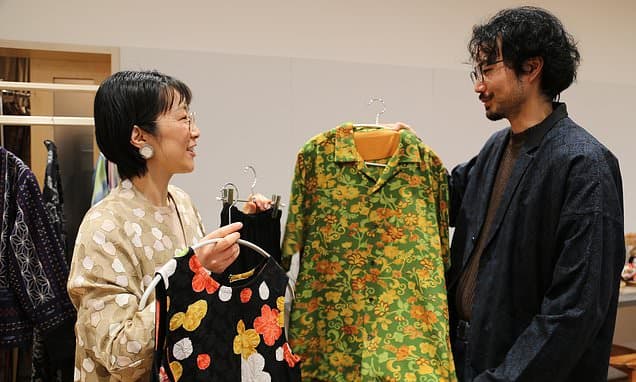
The traditional Japanese kimono, a garment with a history stretching back centuries, is being reimagined for a new era of sustainability. Once passed down through generations, many beautiful kimonos are now being repurposed into contemporary fashion, addressing a growing desire for eco-conscious style.
Businesses like K'Forward, founded by Mari Kubo, are at the forefront of this trend, transforming formal kimonos such as the black 'tomesode' into fashionable jackets and matching sets. Designer Tomoko Ohkata also crafts unique pieces from old kimonos, viewing her work as a solution to an ecological problem. These remade garments can range in price, with a formal 'furisode' costing up to 160,000 yen ($1,000).
This movement taps into the inherent durability of the kimono, with genuine silk pieces lasting over a hundred years. Many people are rediscovering kimonos stored in their homes, seeking to give these heirlooms new life and value. While traditional kimono wearing is now often reserved for special occasions, the art of wearing and styling them is also being taught, highlighting their versatility and enduring appeal.
Designers are also creating dolls exquisitely dressed in miniature recycled kimonos, fetching high prices for their craftsmanship. This "recycling of life," as described by singer Sumie Kaneko, breathes new energy into cherished textiles and patterns, connecting the past with the present through sustainable fashion practices.