Home / Lifestyle / Kids' Cosmetic Craze: Dermatologists Warn of "Cosmeticorexia"
Kids' Cosmetic Craze: Dermatologists Warn of "Cosmeticorexia"
31 Jul
Summary
- Children's excessive use of cosmetics is termed cosmeticorexia.
- Social media fuels young teens' obsession with flawless skin.
- Dermatologists advise simple routines; 'kids-safe' products often marketing-driven.
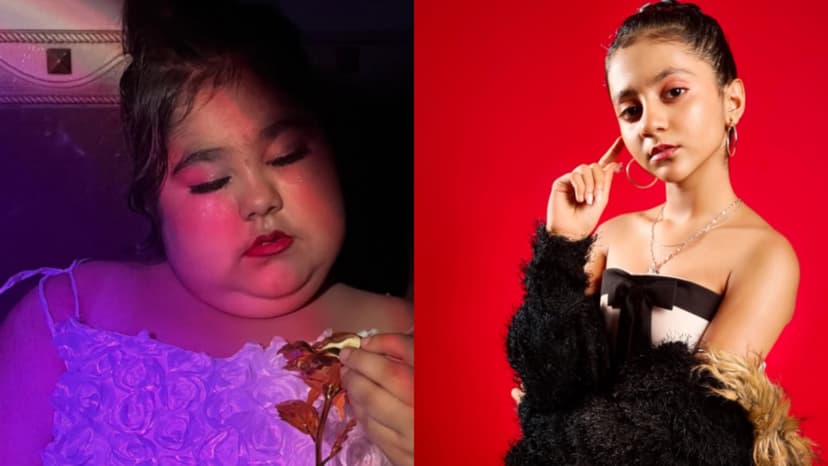
Filmmaker Farah Khan's stance on not allowing her underage daughters makeup resonates with many parents concerned about children's exposure to beauty trends. However, the cosmetics industry is increasingly marketing products for children aged six to sixteen, accelerated by social media's influence through videos of young influencers demonstrating skincare routines. This trend has prompted dermatologists to identify 'cosmeticorexia,' describing an unhealthy obsession with flawless skin among young individuals, particularly those aged 10 to 16.
Dermatologists report a significant rise in adolescent patients seeking advice for skin concerns like pores and pigmentation, often mirroring social media trends. While personal admiration for parents' routines or addressing mild skin issues like dryness can initiate interest, the pursuit of 'perfect' skin is a concern. Experts emphasize that young skin is naturally healthy and often doesn't require complex routines or numerous products, contrary to viral online content.
For child artistes like Princy Prajapati, makeup can be an occupational requirement, managed with strict cleansing post-shoot. Regardless of the reason for use, the girls featured maintain simple everyday skincare. Dermatologists stress that children's skin is thinner and more sensitive, requiring gentle cleansers, moisturizers, and sunscreen. They caution against potent active ingredients and specialized products, suggesting much of the 'kids-safe' market relies on marketing over medical necessity. Occasional makeup is deemed acceptable if skin-friendly products are used and removed thoroughly.
The psychological impact of constant exposure to idealized beauty standards on developing identities is significant. Unrealistic beauty norms can foster body-image issues and emotional distress, hindering self-acceptance. Experts advise that unhealthy beauty practices adopted in adolescence can persist into adulthood, underscoring the importance of promoting healthy self-esteem over unattainable online ideals.


