Home / Lifestyle / Gen Z Satirizes 'Japan Effect' Online Amid Overtourism
Gen Z Satirizes 'Japan Effect' Online Amid Overtourism
24 Mar
Summary
- A Gen Z social media trend satirizes romanticized views of Japan.
- Record tourist numbers are met with local exasperation and online backlash.
- The 'Japan effect' contrasts idealized portrayals with everyday realities.
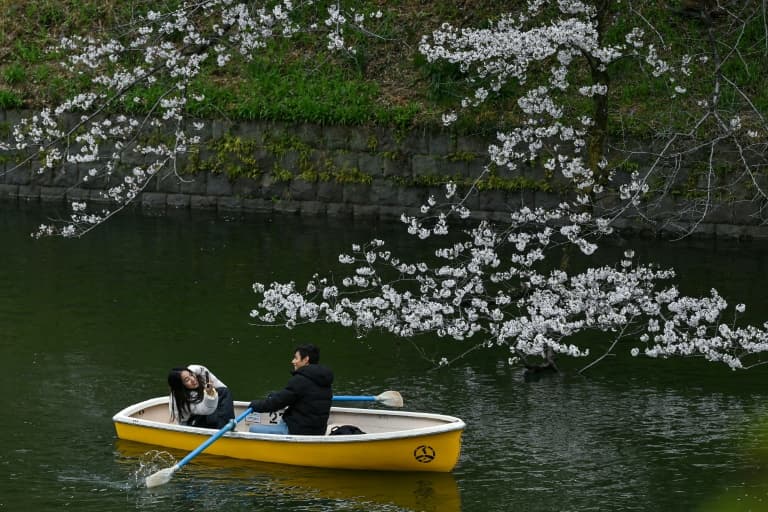
A burgeoning social media trend, termed the 'Japan effect,' is satirizing the heavily romanticized online portrayal of Japan. This phenomenon, popular among Gen Z, uses anime-style aesthetics and clichéd imagery to mock the idealized image of the country. It has gained traction as Japan welcomed a record 42.7 million tourists in 2025, leading to significant challenges.
Residents in popular destinations like Kyoto are increasingly vocal about their frustration with selfie-stick wielding crowds and overtourism. The online backlash highlights a disconnect between the often-curated, 'aesthetic' visions presented on platforms like TikTok and the actual experiences of living in or visiting Japan. This idealized view is fueled by factors like the weak yen and the popularity of anime franchises.
Commentators describe some enthusiasts as 'Japan glazers,' who excessively praise Japan while disparaging their own cultures. This over-the-top admiration clashes with the reality for many, as some women report experiencing groping, and the widely perceived immaculate cleanliness of streets is questioned. While appreciating the interest in Japan, locals and contributors to social issue accounts express discomfort with unrealistic praise.
The 'Japan effect' also touches upon the perception of Japan as exceptionally clean and orderly. While the country is indeed clean, the notion that one can walk around without shoes is an exaggeration. This curated visual focus, potentially rooted in anime aesthetics or cultural traditions, can overshadow the nuanced reality of Japanese society and daily life.