


Home / Lifestyle / Ireland's Young Women Priced Out of Homes and Future Families
Ireland's Young Women Priced Out of Homes and Future Families
15 Apr
Summary
- Housing instability forces women to delay or abandon plans for motherhood.
- Women are freezing eggs due to lack of stable housing, not choice.
- Young women face returning to childhood homes, impacting independence.
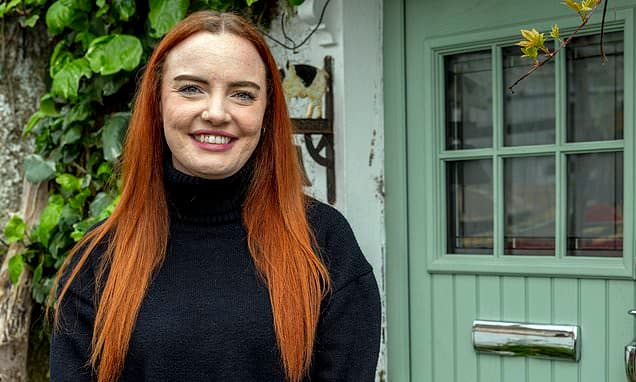
In contemporary Ireland, a deepening housing crisis is directly impacting women's decisions about starting families. Aoife McGrath, 31, exemplifies this struggle, having endured multiple no-fault evictions. This persistent instability has led her to consider freezing her eggs, a measure she views as a necessary response to insecurity rather than a voluntary lifestyle choice. Many young women, like 27-year-old Ella Glynn, find themselves returning to their childhood homes, a situation that erodes their sense of independence and postpones fundamental life stages.
The economic realities are stark: rents have surged by 115% since 2010, with average new tenancies in Dublin exceeding €2,200 monthly and supply at historic lows. This environment makes securing stable housing, often a prerequisite for motherhood, a challenge that arrives later in life, if at all. Consequently, the average age of first-time mothers has risen significantly, with many women reaching stability only in their mid-30s, narrowing their window for reproductive choices. The situation extends to mothers already raising children; Tanya White highlights the severe lack of support services and prohibitively high childcare costs, particularly for children with disabilities, making additional children economically unfeasible and pushing women out of the workforce.
This systemic issue is leading to a concerning demographic trend, with Ireland's fertility rate falling below replacement level. The National Economic and Social Council has warned of a potential demographic decline without urgent intervention. Women who desire motherhood but face these insurmountable housing and financial barriers often find their choices dictated by circumstance rather than volition. This predicament underscores a critical message to policymakers: the ticking clock of fertility is running out for many women, necessitating immediate action to address the housing crisis and its profound impact on future generations.
