
Home / Lifestyle / Guangzhou Mandates Dim Sum Transparency: Handmade or Machine?
Guangzhou Mandates Dim Sum Transparency: Handmade or Machine?
1 May
Summary
- Guangzhou now requires restaurants to disclose dim sum preparation methods.
- New rule aims to protect the intangible cultural heritage of dim sum.
- Traditional stores will receive plaques and may livestream food preparation.
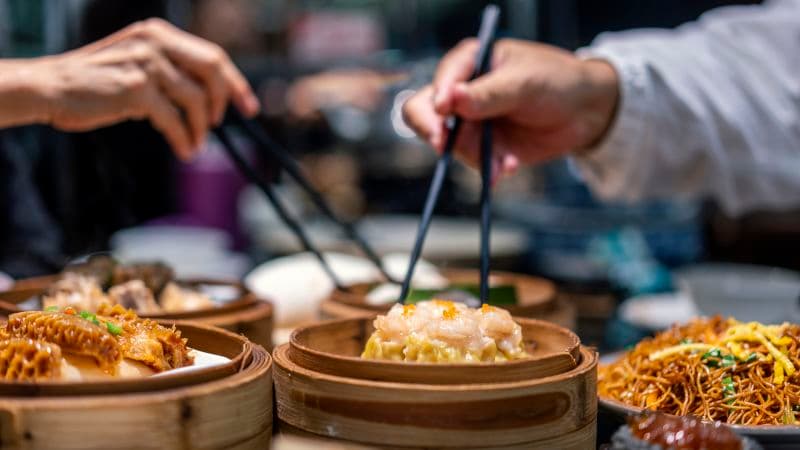
Guangzhou, the reputed birthplace of dim sum, is taking a stand against the increasing use of automation in preparing these delicate bite-sized delicacies. Authorities in this southern Chinese metropolis have implemented a new regulation requiring restaurants to inform patrons about their dim sum preparation methods. Effective May 1, teahouses must specify whether their dim sum is handmade in-house or manufactured through "non-traditional means," which refers to centralized production.
The regulation's stated goal is to preserve and pass on the intangible cultural heritage of Guangzhou's dim sum craftsmanship. Restaurants that adhere to these requirements will be awarded a "traditional store" plaque. Officials are also encouraging businesses to offer customers a view of the preparation process through live-streaming, promoting transparency.
This initiative resonates with locals who value freshness and authenticity in their food. Many residents expressed support for the regulation, citing instances where advertised fresh dim sum turned out to be pre-made, leading to disappointment. The emphasis on handmade dim sum acknowledges the skill and attention to detail involved in creating dishes like har gow and siu mai.
Historically, teahouses served as vital communal spaces for social gatherings and bonding in Guangzhou and other Cantonese-speaking regions like Hong Kong and Macau. The practice of "yum cha," or drinking tea, became synonymous with these social interactions. The new rules are expected to help safeguard this deep-rooted food culture, ensuring that the meticulous artistry of handmade dim sum continues to be appreciated.
