Home / Lifestyle / Grand Canyon River: A Legacy Under Threat
Grand Canyon River: A Legacy Under Threat
19 Aug
Summary
- Drought and rising demand have lowered water levels in Lake Powell and Lake Mead.
- Climate change exacerbates the Southwest's megadrought, impacting the Colorado River.
- Indigenous tribes fight for rights to the Little Colorado River, a sacred site.
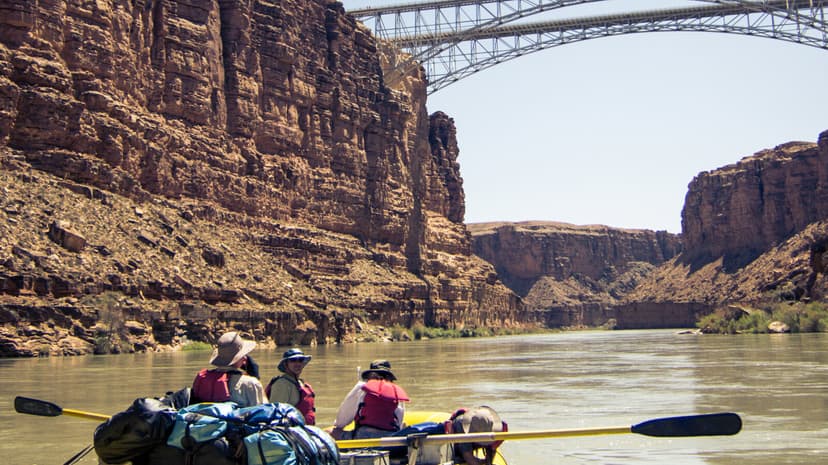
The Grand Canyon's Colorado River is experiencing unprecedented challenges as historically low water levels plague Lake Powell and Lake Mead. These reservoirs, managed by the Bureau of Reclamation, have reached their lowest points due to prolonged drought and increased water demand. Climate change has intensified this megadrought, the most severe in at least 1,200 years, fundamentally altering the river's future.
This environmental crisis affects not only the vast ecosystem of the canyon but also the rights of Indigenous tribes. The Little Colorado River, a tributary sacred to groups like the Hopi and Navajo, is crucial for the survival of endangered species and holds deep religious significance. These tribes have long advocated for their water rights and protection of sacred sites.
Recreational trips down the Colorado River, once a predictable adventure, now offer a stark view of these changes. Guides share stories of conservation threats and historical control of the river's flow by power demands upstream. The experience highlights the tension between the river's untamed nature and the human control exerted through dams and water management policies.
The author's journey, inspired by pioneering river guide Georgie White, underscores the importance of experiencing the canyon's immensity firsthand. White championed river tourism and advocated for conservation, a legacy now challenged by the current environmental realities. Experiencing the river's power and secrets firsthand remains essential for understanding its value.


