Home / Lifestyle / Global Heat Hacks: Beyond Europe's Cool Ideas
Global Heat Hacks: Beyond Europe's Cool Ideas
28 Jun
Summary
- Japan uses cooling ties and neck rings for effective body temperature regulation.
- China's facekinis and UV masks offer sun protection and cultural skincare.
- Navajo and Pueblo buildings use thermal mass, while Egypt uses windcatchers.
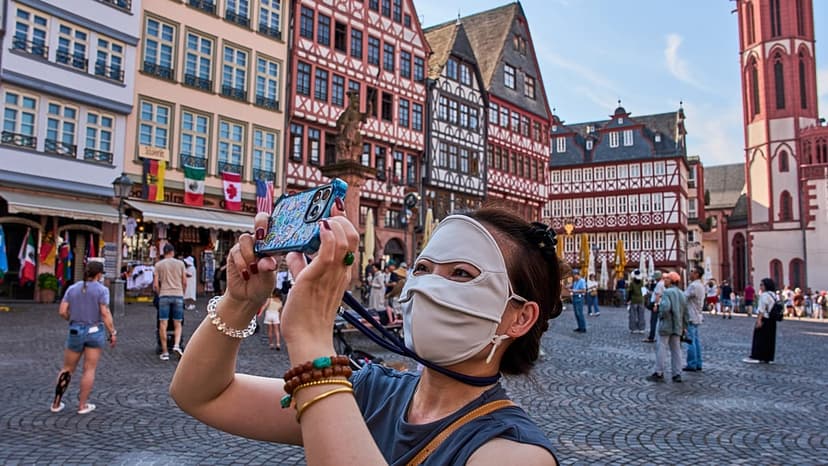
Countries worldwide employ unique strategies to manage intense heat, offering alternatives to typical European responses. Japan is noted for its inventiveness, utilizing cooling ties with gel packs and neck rings that leverage physiological principles of cooling major blood vessels near the skin's surface. Traditional Japanese methods also include tenugui cloths and even repurposed aerobics-era headbands for pulse point cooling.
In China, face coverings like the 'Facekini,' initially for UV protection, have evolved into everyday wear made from breathable fabrics. This reflects both practical climate adaptation and cultural beauty ideals. Traditional architecture in the US Southwest, using clay and stone, and Egypt's windcatchers and damp cloth cooling demonstrate passive architectural and evaporative cooling techniques.
Further innovations include Mexico's loose cotton clothing and adobe homes with courtyards, alongside Egypt's use of internal courtyards and pools. India utilizes 'mitti' cooling with clay pots and damp materials. These diverse methods highlight a global reliance on evaporative cooling, shade, thermal mass, and culturally integrated practices rather than solely technical solutions.


