Home / Lifestyle / Everest's Porters: The Unsung Heroes of the Himalayas
Everest's Porters: The Unsung Heroes of the Himalayas
3 Aug
Summary
- Everest trekking involves extreme conditions and a stark contrast between luxury and labor.
- Porters carry heavy loads, often in inadequate footwear, facing significant risks.
- The industry's economic benefits are questioned against environmental impact and porter welfare.
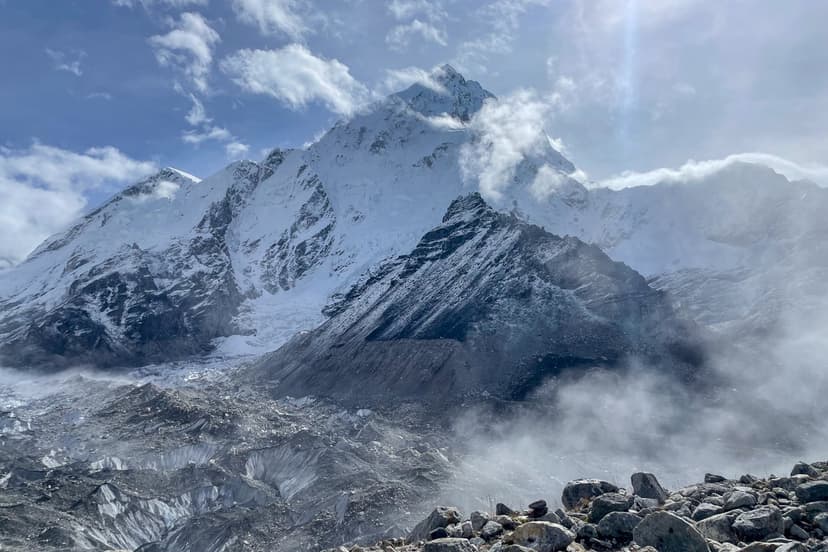
The journey to Everest Base Camp, beginning with a short flight to Lukla, showcases the immense scale of the Himalayas. While tourists arrive from around the globe for adventure, the region faces growing issues of overcrowding and plastic pollution. Stories of climbers dying in the 'death zone' and the familiar presence of luxury goods carried by porters underscore a complex reality.
This tourism boom brings income but also aggravation to the sacred lands of Indigenous Nepali and Tibetan communities. Porters are the lifeblood of the industry, carrying everything from essential equipment to luxury items like hot tubs and TVs. Many work in basic footwear, carrying loads exceeding 90kg, facing perilous drops.
Guides like Sumitra highlight that without porters, the industry would collapse, yet they are often erased from expedition stories. Intrepid Travel aims to change this by ensuring porters are well-compensated and treated with respect. Solutions proposed include government regulations for load limits and fixed rates, alongside subsidized meals for porters.
Reaching Everest Base Camp is a challenging feat, marked by a transformation from lush trails to a barren, otherworldly landscape. The descent, however, proved perilous as heavy rain triggered landslides, causing fatalities and stranding travelers in Kathmandu and the Khumbu Valley. This served as a stark reminder of the region's volatility.


