

Home / Lifestyle / Nose Jobs: Ethnic Identity or White Beauty?
Nose Jobs: Ethnic Identity or White Beauty?
13 Apr
Summary
- Rhinoplasty can be driven by pressure to fit white beauty standards.
- Some individuals regret losing ethnic features after nose surgery.
- Experts say heritage is more than a single physical feature.
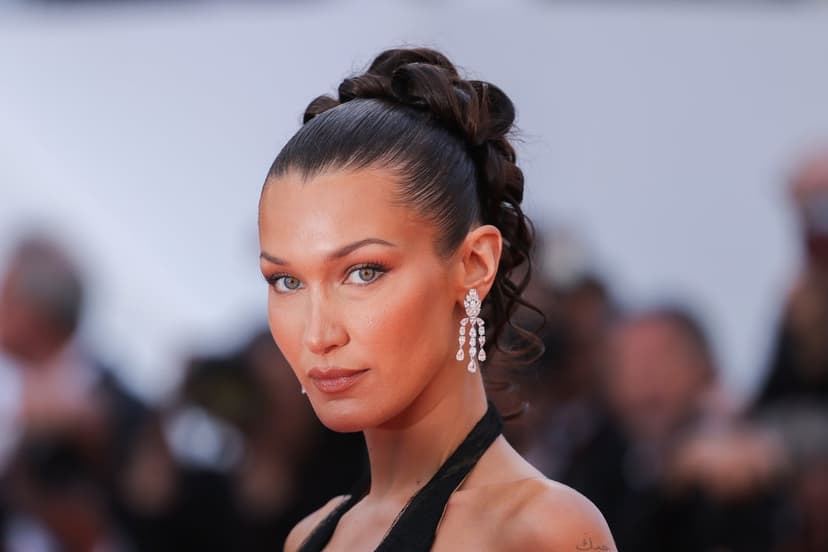
The pursuit of rhinoplasty among women of color often stems from societal pressure to conform to white beauty standards, a phenomenon explored in recent discussions. Individuals like Kavitha, who underwent a nose job in her twenties, later recognized the external pressures influencing her decision, stating she acted out of fear of not being accepted. This contrasts with the author's personal journey, who initially felt self-conscious about her nose but later embraced it, launching a movement to celebrate diverse nose shapes.
Plastic surgeons observe a trend of 'ethnic rhinoplasties,' where non-white individuals alter their noses, sometimes to achieve a 'Caucasian nose.' However, some clients later seek reversals, regretting the loss of their unique ethnic traits, as noted by Dr. Ivo Gwanmesia. He recounts clients wanting to restore features altered in procedures, sometimes losing cultural nuances. Similarly, Dr. Amir Sadri highlights that while some feel guilt erasing ethnicity, heritage is multifaceted, extending beyond a single physical feature.
While some, like Nigerian-American creator Kemi Fakunle, embrace their post-surgery noses, acknowledging it doesn't erase their identity, others express a desire to have kept their ancestral features, citing Bella Hadid's regret. The article questions the benchmark of beauty presented in medical textbooks, which often showcases white European noses. It advocates for creating personal definitions of beauty that embrace features reflecting heritage and ancestry, rather than solely adhering to prevailing trends.
