Home / Lifestyle / Dopagaki: The Japanese Slang for Digital Restlessness
Dopagaki: The Japanese Slang for Digital Restlessness
19 Nov
Summary
- Dopagaki means 'dopamine-addicted brat' in Japanese slang.
- The term originated from observations about pop song structure.
- Young people now use dopagaki as a self-aware, humorous term.
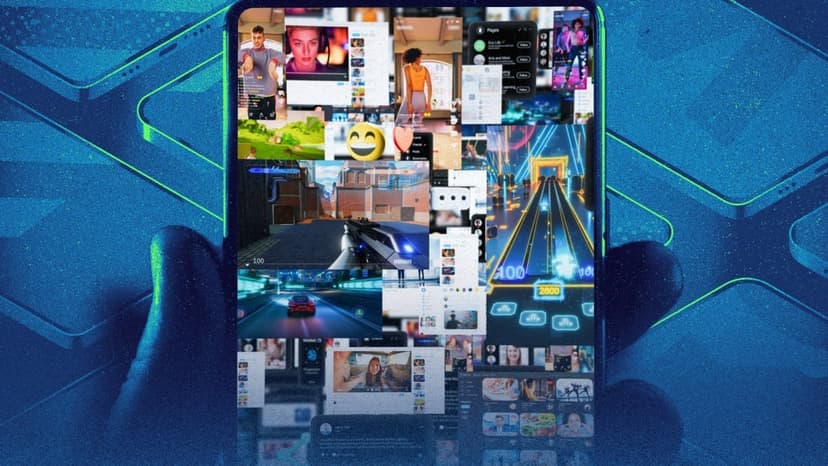
In Japan, a new slang term, dopagaki, captures the modern digital restlessness characterized by a craving for constant stimulation. Roughly translating to "dopamine-addicted brat," the expression is used to describe individuals who incessantly seek quick bursts of entertainment, from scrolling through social media to skipping through videos.
The term's surprising origin lies not in a tech trend, but in a viral post from December 2024 that analyzed the rapid-fire structure of a pop song. This observation highlighted how entertainment itself is often designed to deliver continuous payoffs.
By summer 2026, dopagaki had entered youth slang, with surveys in 2026 indicating its significant recognition among high school girls. Some are using it humorously and self-deprecatingly to describe their own digital overconsumption habits.
While "iPad kid" and "brainrot" exist in American internet culture, dopagaki stands out because it can be willingly adopted by individuals. The habit of constant digital engagement is not limited to youth, as adults also spend significant weekly hours on social media and video platforms, with online adults averaging over 19 hours weekly in 2026.


