Home / Lifestyle / Diwali: Lights, Sweets, and Smog in India
Diwali: Lights, Sweets, and Smog in India
8 Nov
Summary
- Diwali, India's Hindu festival of lights, symbolizes good triumphing over evil.
- Celebrations include prayers, fireworks, sweets, and cleaning homes.
- Air quality concerns rise in Delhi due to fireworks during Diwali.
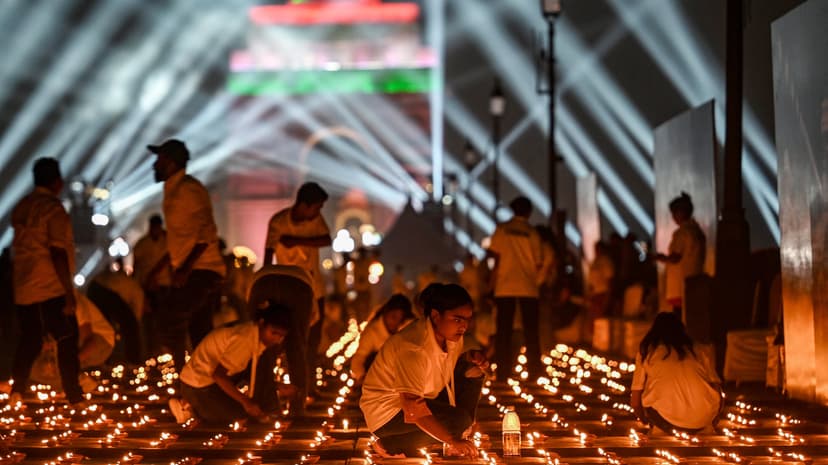
The Hindu festival of Diwali, celebrated as India's biggest public holiday, signifies the victory of good over evil. This sensory festival, lasting several days, involves prayers for prosperity, distributing sweets, lighting oil lamps, and decorating with flower garlands. It is observed by Hindus, Jains, and Sikhs, drawing on ancient epics like the Ramayana and Mahabharata.
Diwali falls on the new moon of Kartik in the Hindu calendar, and in 2026, it occurs on November 8th and 9th. Celebrations extend beyond India to South Asia and the global Indian diaspora, with some US states recognizing it as an official holiday. Rituals often honor deities like Lakshmi, the goddess of prosperity, and Ganesh, the god of good fortune.
Offerings during pujas include incense, flowers, and sweet treats such as kheel and laddoos. While fireworks are a traditional way to mark the occasion, they exacerbate air quality issues, particularly in New Delhi. This year, green fireworks are permitted for limited hours, alongside other anti-pollution measures, amid hazardous air conditions.


