Home / Lifestyle / Decaf Desirability: Cafes Embrace Low-Caf Options
Decaf Desirability: Cafes Embrace Low-Caf Options
4 Dec
Summary
- Cafes now offer creative, social-media-ready decaf drinks.
- Asian and Middle Eastern cafes introduce diverse low-caf options.
- Decaf drinks are changing cafe rituals into unwinding experiences.
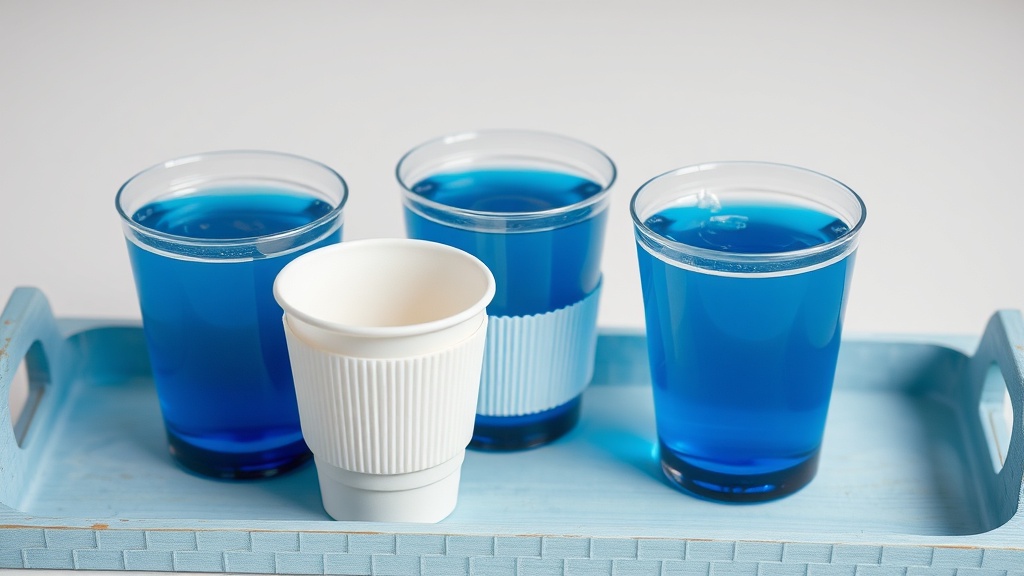
The culture around coffee is evolving, with a growing number of cafes in the United States prioritizing low- and no-caffeine beverage options. This trend reflects a broader societal shift towards health consciousness and a desire for "third spaces" that cater to individual preferences throughout the day. These establishments are moving beyond simple decaf coffee, offering creative and visually appealing alternatives that rival their caffeinated counterparts.
Several cafes are now focusing on accessibility and flavor in their non-caffeinated menus. Asian and Middle Eastern cafes, in particular, are introducing a variety of traditional low-caffeine drinks like barley tea and sobacha, enticing a new demographic of consumers. This culinary exploration extends to ingredients like hojicha, a less caffeinated Japanese green tea, which is gaining popularity in drinks and even baked goods.
This burgeoning market for decaf allows for significant innovation, as there are fewer established expectations for preparation. Cafes are experimenting with diverse flavors and ingredients, from herbal infusions to carefully sourced decaf beans. This movement is transforming the cafe experience from a quick stop into a ritual of unwinding, accommodating those who seek the comfort and social aspect of a coffee shop without the stimulant.