feedzop-word-mark-logo
searchLogin
Feedzop
homeFor YouUnited StatesUnited States
You
bookmarksYour BookmarkshashtagYour Topics
Trending
Terms of UsePrivacy PolicyAboutJobsPartner With Us

© 2026 Advergame Technologies Pvt. Ltd. ("ATPL"). Gamezop ® & Quizzop ® are registered trademarks of ATPL.

Gamezop is a plug-and-play gaming platform that any app or website can integrate to bring casual gaming for its users. Gamezop also operates Quizzop, a quizzing platform, that digital products can add as a trivia section.

Over 5,000 products from more than 70 countries have integrated Gamezop and Quizzop. These include Amazon, Samsung Internet, Snap, Tata Play, AccuWeather, Paytm, Gulf News, and Branch.

Games and trivia increase user engagement significantly within all kinds of apps and websites, besides opening a new stream of advertising revenue. Gamezop and Quizzop take 30 minutes to integrate and can be used for free: both by the products integrating them and end users

Increase ad revenue and engagement on your app / website with games, quizzes, astrology, and cricket content. Visit: business.gamezop.com

Property Code: 5571

Home / Lifestyle / Dangerous Toys: Nuclear Labs & Toxic Bubbles

Dangerous Toys: Nuclear Labs & Toxic Bubbles

15 Dec, 2025

•

Summary

  • Children once played with radioactive materials in Atomic Energy Lab kits.
  • A bubble kit caused dizziness and fears of it being a gateway drug.
  • Toys like Thingmaker led to numerous burns and regulatory intervention.
Dangerous Toys: Nuclear Labs & Toxic Bubbles

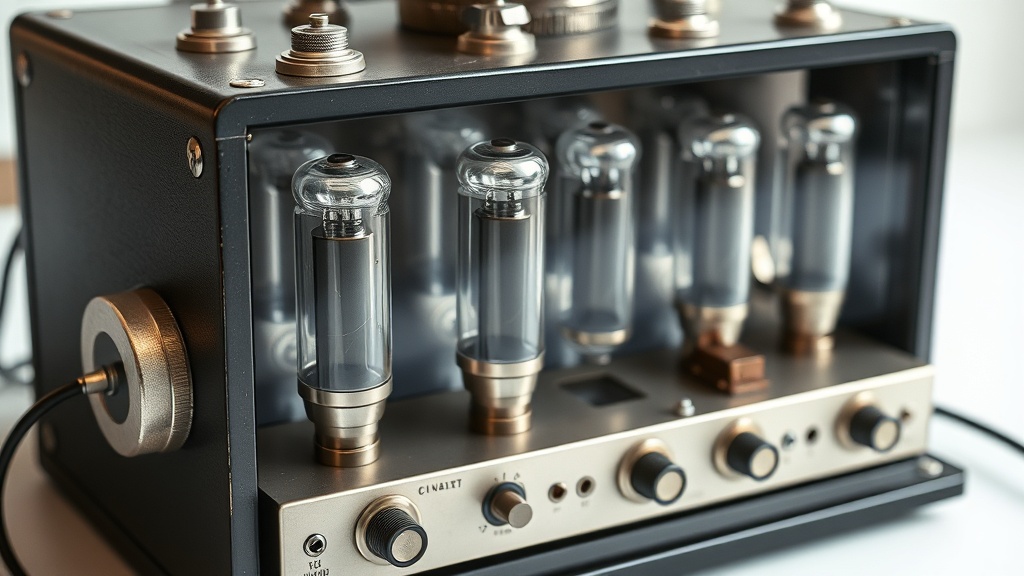
Children's toys from the past often posed significant dangers, a fact highlighted by a recent documentary. The Gilbert U-238 Atomic Energy Lab, released in 1949, allowed children to conduct nuclear experiments with radioactive materials. Meanwhile, the Super Elastic Bubble Plastic kit, popular in the 1970s, produced fumes that could cause users to feel dizzy, leading to worries about its potential as a gateway drug.

Further illustrating these hazardous playthings, the Thingmaker toy from 1964 involved melting plastic at high temperatures to create toys, a process that frequently resulted in severe burns. The Glass Blowing Kit from 1920 also required children to use a blowtorch, while Lawn Darts featured metal tips that caused numerous injuries and even fatalities.

These toys, products of an era with different safety standards, underscore a dramatic shift in how children's products are regulated today. The article explores these shocking examples, prompting reflection on whether modern children would be allowed to play with such hazardous items.

trending

Daycare workers sentenced for abuse

trending

NYC nurses strike begins

trending

Autistic Barbie doll warmly received

trending

Ukrainian troops return frontline

trending

USS Abraham Lincoln drills China

trending

Bills Broncos NFL Playoff Game

trending

Astronauts return after health crisis

trending

Google Gemini: In-app purchases

trending

Gurgaon colder than Shimla

Disclaimer: This story has been auto-aggregated and auto-summarised by a computer program. This story has not been edited or created by the Feedzop team.
Popular dangerous toys included the Gilbert U-238 Atomic Energy Lab, Thingmaker, and Lawn Darts.
It was banned due to concerns that inhaling its fumes could cause a dizzying high and act as a gateway drug.
Yes, the Atomic Energy Lab kit included four uranium ore samples for children to experiment with.

Read more news on

Lifestyleside-arrow

You may also like

Acid-Free Steel Cleaning: A Global Leap

10 Jan • 7 reads

article image

CES 2026: Quiet Leaf Blowers & Smart Fridges Emerge

9 Jan • 16 reads

article image

Apollo Micro Systems Hits Upper Circuit After DRDO Tech Approval

22 Dec, 2025 • 97 reads

article image

China Unveils Secret AI Chip Machine Prototype

18 Dec, 2025 • 101 reads

article image

Infrastructure Stocks Mixed: Profits Up, Margins Squeezed

13 Dec, 2025 • 137 reads

article image