

Home / Lifestyle / Chandni Chowk: Delhi's Enduring 375-Year-Old Market
Chandni Chowk: Delhi's Enduring 375-Year-Old Market
19 Apr
Summary
- Founded in 1650, Chandni Chowk is India's oldest and most continuous market.
- The market features diverse bazaars like Khari Baoli for spices and Dariba Kalan for gold.
- Paranthe Wali Gali is renowned for its stuffed parathas and traditional vegetarian street food.
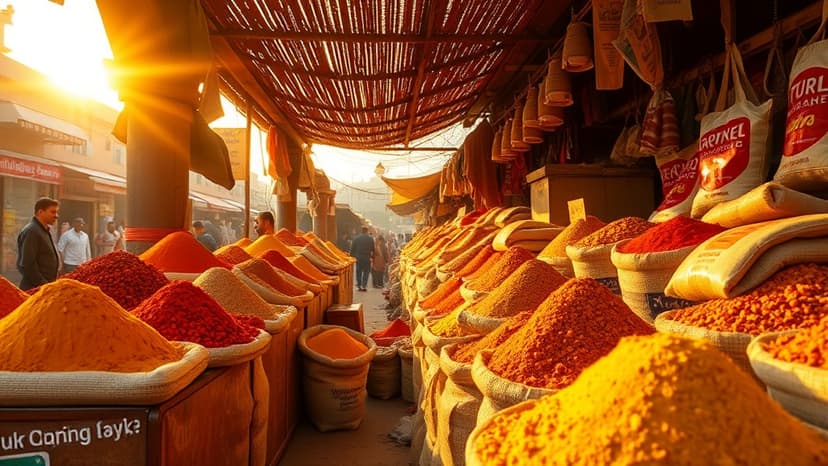
Founded in 1650 by Mughal emperor Shah Jahan and his daughter Jahanara Begum, Chandni Chowk stands as India's oldest market, its chaotic energy a testament to 375 years of continuous commerce. Originally designed in a crescent shape, it was envisioned as a grand bazaar befitting the Mughal empire, a hub for royal processions and diverse merchants.
Over centuries, Chandni Chowk has endured battles and revolts, yet it persists as a nearly two-kilometer stretch from the Red Fort to Fatehpuri Masjid. It is now Asia's largest wholesale market, a dynamic fusion of history and bustling modern trade.
The market is a collection of specialized bazaars. Khari Baoli, established in 1650, is Asia's largest wholesale spice market. Dariba Kalan, dating back 350 years, remains a center for gold and precious jewelry. Kinari Bazaar caters to weddings and festivals with its vibrant decorations, while Nai Sarak is a haven for books and stationery, especially the famous Daryaganj Sunday Book Market.
Culinary exploration in Chandni Chowk is an essential experience. Paranthe Wali Gali is famed for its generations-old stuffed paratha shops. Beyond parathas, vendors offer samosas, golgappas, and unique treats like kulla chaat. Sweet shops like Ghantewala, established in 1790, and traditional kulfi vendors add to the gastronomic appeal.
Chandni Chowk is also an open-air heritage site, surrounded by significant landmarks. The Red Fort, a UNESCO World Heritage Site, borders one end, while Jama Masjid, one of India's largest mosques, is nearby. Gurdwara Sis Ganj Sahib and Sri Digambar Jain Lal Mandir add to the spiritual and historical tapestry. The area also preserves remnants of Mughal-era havelis, offering glimpses into aristocratic life.
Despite its crowded and chaotic nature, Chandni Chowk has remarkably survived historical upheavals and urban neglect. It offers a unique, authentic experience of India's diversity and enduring spirit, a living connection to the essence of Mughal Delhi that modern commercial spaces cannot replicate.
