Home / Lifestyle / Chandigarh: City's Design Nurtures Happiness
Chandigarh: City's Design Nurtures Happiness
7 Jun
Summary
- City's design uses proportion, greenery, and predictability for cognitive ease.
- Chandigarh's ample green cover reduces stress and buffers urban environments.
- Master Plan 2031 amendments may challenge the city's tranquil identity.
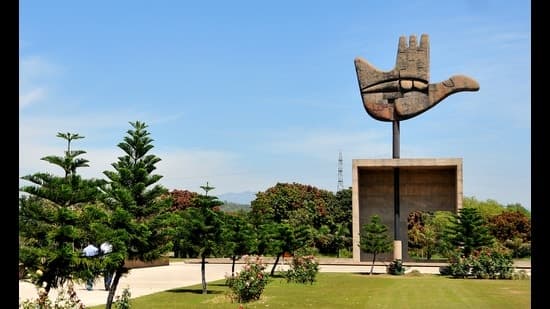
Chandigarh's unique urban experience is rooted in its thoughtful design, prioritizing psychological well-being. The city's planned sectors, legibility, and predictable grid system minimize the cognitive load often associated with urban living. Its extensive green cover, more than just aesthetic, actively buffers noise and creates shaded pedestrian areas, contributing to lower stress levels among residents.
The city's layout projects an image of order and aspiration, with broad roads and a low-rise skyline promoting a sense of stability. This atmosphere of organized aspiration has fostered a distinct culture where public spaces remain accessible and leisure is integrated into daily life.
Despite these qualities, Chandigarh faces modern urban challenges like rising property prices and the potential erosion of its architectural coherence. Debates surrounding the Master Plan 2031 amendments, which propose increased density and taller buildings, highlight the tension between accommodating growth and preserving the city's defining sense of order, legibility, and psychological ease.
Ultimately, the discussion around Chandigarh's future extends beyond mere planning principles. It questions whether the city can evolve to meet new demands while retaining the fundamental elements that create its distinctive, human-centric experience, a quality many urban Indian centers have lost.


