Home / Lifestyle / Byron Bay Transport Crisis Fuels Drink-Driving Fears
Byron Bay Transport Crisis Fuels Drink-Driving Fears
8 Nov
Summary
- Inadequate transport links in Byron Shire contribute to high drink-driving rates.
- Youth face safety risks due to limited public transport options.
- Calls to restore the Byron train line to improve safety and connectivity.
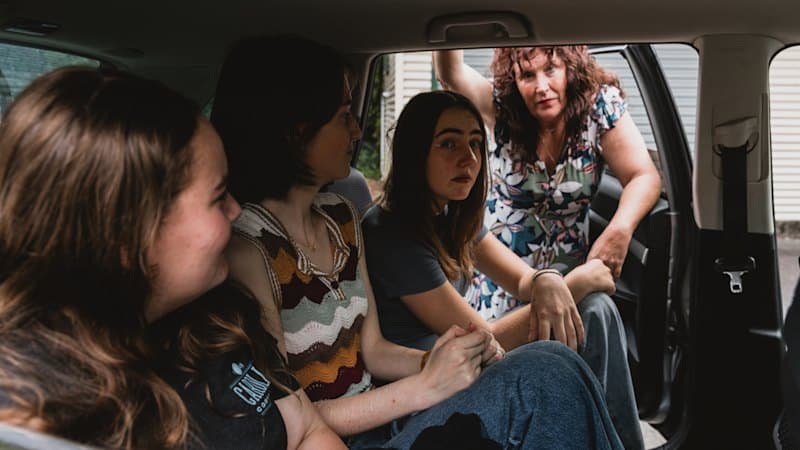
The Byron Shire faces a significant transport deficit, identified as a primary driver behind its high drink-driving rates. Angus Farand recounted a near-fatal experience at 20, emphasizing the dangers of relying on untrustworthy drivers when transport is scarce. Byron Shire Mayor Sarah Ndiaye highlighted the challenges, noting that even she incurs substantial costs to avoid drink-driving when attending events.
Recent efforts to address the issue include a successful free bus service trial over the Easter weekend, which saw over 1,000 participants. However, the ongoing cost of alternatives like Uber, especially during a cost-of-living crisis, remains a barrier. The government has committed to introducing over 670 additional weekly bus services starting December 6, 2026, following previous additions in nearby areas.
Personal accounts underscore the peril faced by residents, particularly youth. Serren Glenn and Freya Marshall Rosoto shared experiences of long waits and unsafe situations due to limited bus services. Finn Marshall resorted to hitchhiking to avoid lengthy waits, causing significant parental anxiety. Police District Inspector Matt Woods noted 457 drink and drug driving offences in the shire from July 2025 to June 2026, with increased patrols planned for summer.
Community members are actively seeking solutions, including advocating for the restoration of the Byron train line, which was previously converted into hiking trails. Lydia Kindred of Northern Rivers Rail believes restoring the line would be significantly more cost-effective than initially estimated and would greatly benefit residents, tourists, and businesses. Current transport options are limited to a three-kilometre solar-powered train line within Byron.


