Home / Health / Flexibility's Downside: Young Brains May Rewire for Seizures
Flexibility's Downside: Young Brains May Rewire for Seizures
7 Sep
Summary
- Younger brains' adaptability may worsen traumatic injury outcomes.
- Older mice had more inflammation and memory issues post-injury.
- Age shapes recovery, influencing seizure risk and cognitive function.
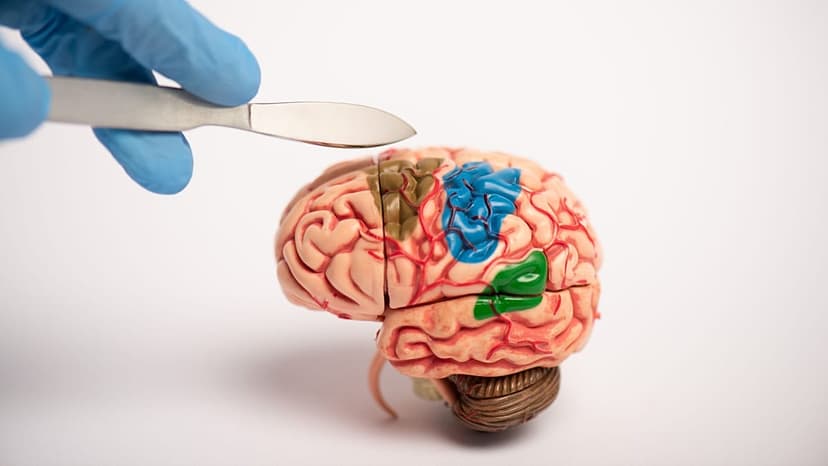
Younger brains' remarkable flexibility may paradoxically increase their vulnerability to long-term problems following traumatic brain injury (TBI), according to recent research. While youthful plasticity allows for easy reorganization, it can also create pathological networks that lead to conditions like post-traumatic epilepsy.
The study, conducted on mice, indicated that younger subjects developed epilepsy later but experienced a more substantial seizure burden once it took hold. Conversely, older mice exhibited earlier seizure activity but a lower overall incidence of post-traumatic epilepsy.
However, aging presented its own set of challenges. Older mice showed increased neuroinflammation and circuit remodeling, alongside significant long-term memory deficits. This suggests that while older brains may be less susceptible to chronic seizures, they remain vulnerable in cognitive functions and inflammation response.
These findings highlight how an individual's age significantly influences the recovery trajectory and long-term outcomes after TBI. Understanding these age-related differences could lead to tailored interventions, focusing on seizure network prevention in younger individuals and addressing cognitive decline and inflammation in older patients.


