Home / Health / Sweetener Xylitol Linked to Heart Events
Sweetener Xylitol Linked to Heart Events
26 Aug
Summary
- High xylitol blood levels show higher cardiovascular event risk.
- A study found a 57% increased risk in top xylitol level group.
- Research questions long-term safety of high xylitol consumption.
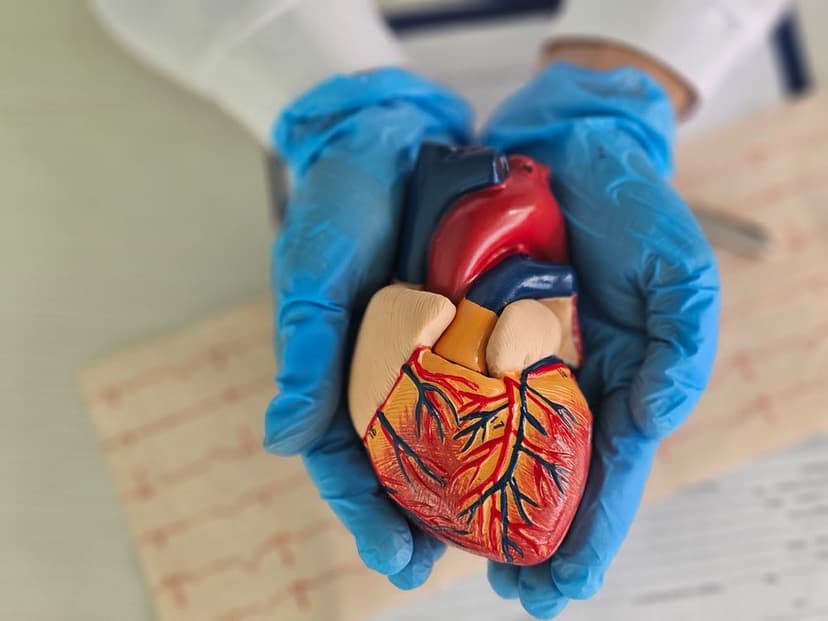
A long-term analysis has revealed a concerning link between high blood levels of the common artificial sweetener xylitol and an increased risk of cardiovascular events. The research, set to debut at the 2026 European Society of Cardiology Congress, indicates that individuals with elevated xylitol concentrations are at a substantially higher risk of experiencing events like heart attack or stroke.
Participants with the highest serum xylitol levels were 57% more likely to suffer a major cardiovascular event over six years compared to those with the lowest levels. This association persisted even after accounting for known risk factors. Over a 30-year period, this risk increased by 18%.
Xylitol is widely used in foods, beverages, oral care products, and pharmaceuticals to enhance taste. The human body also naturally produces small amounts. These findings build upon previous research suggesting xylitol's role in enhancing blood clot formation, prompting further investigation into its cardiovascular safety.
While regulators generally consider xylitol safe, these preliminary findings highlight a potential risk associated with its increasing consumption. Experts emphasize the need for more research to understand the long-term cardiovascular impact of xylitol, particularly as its use continues to grow across various industries.


