feedzop-word-mark-logo
searchLogin
Feedzop
homeFor YouUnited StatesUnited States
You
bookmarksYour BookmarkshashtagYour Topics
Trending
trending

Taiwan hit by magnitude 7 earthquake

trending

BYU wins Pop-Tarts Bowl

trending

Fulham defeats West Ham United

trending

Texans beat Chargers, clinch berth

trending

Arizona Bowl: Miami vs Fresno

trending

Senegal draws with DR Congo

trending

Chelsea vs Aston Villa

trending

Clemson plays Penn State outdoors

trending

Pittsburgh vs East Carolina preview

Terms of UsePrivacy PolicyAboutJobsPartner With Us

© 2025 Advergame Technologies Pvt. Ltd. ("ATPL"). Gamezop ® & Quizzop ® are registered trademarks of ATPL.

Gamezop is a plug-and-play gaming platform that any app or website can integrate to bring casual gaming for its users. Gamezop also operates Quizzop, a quizzing platform, that digital products can add as a trivia section.

Over 5,000 products from more than 70 countries have integrated Gamezop and Quizzop. These include Amazon, Samsung Internet, Snap, Tata Play, AccuWeather, Paytm, Gulf News, and Branch.

Games and trivia increase user engagement significantly within all kinds of apps and websites, besides opening a new stream of advertising revenue. Gamezop and Quizzop take 30 minutes to integrate and can be used for free: both by the products integrating them and end users

Increase ad revenue and engagement on your app / website with games, quizzes, astrology, and cricket content. Visit: business.gamezop.com

Property Code: 5571

Home / Health / WHO Recommends Obesity Drugs: P.E.I. Access Lags

WHO Recommends Obesity Drugs: P.E.I. Access Lags

7 Dec

•

Summary

  • WHO conditionally recommends GLP-1 drugs for obesity treatment.
  • P.E.I.'s drug programs do not cover GLP-1s for weight loss.
  • Access to obesity care and bariatric surgery is limited on P.E.I.

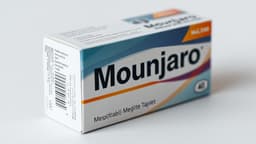
The World Health Organization has issued its first conditional recommendation for GLP-1 agonists, including drugs like Ozempic, as a long-term treatment for obesity. This move highlights the growing recognition of obesity as a chronic disease, with projections indicating a significant increase in affected populations. Experts emphasize the need for appropriate prescription and follow-up for these medications to ensure safety and effectiveness.

Despite the WHO's recommendation, access to these crucial medications remains a substantial barrier for many, including residents of Prince Edward Island. Provincial drug programs, including P.E.I.'s, largely do not cover GLP-1 drugs for weight loss, citing a lack of completion of national review processes. This leaves many Islanders without coverage, despite the medication's proven efficacy.

Beyond medication access, P.E.I. faces challenges in providing comprehensive obesity care, including limited access to bariatric surgery. This lack of specialized services compounds the difficulties for individuals seeking effective weight management. Advocates are pushing for broader coverage and recognition of obesity as a chronic condition, hoping the WHO's global voice will drive national and provincial policy changes.

Disclaimer: This story has been auto-aggregated and auto-summarised by a computer program. This story has not been edited or created by the Feedzop team.
The WHO conditionally recommended GLP-1 medications for long-term obesity treatment.
No, P.E.I.'s drug programs do not currently cover GLP-1 medications for weight loss.
Access to bariatric surgery is limited on P.E.I., with no established program on the island.

Read more news on

Healthside-arrowWorld Health Organizationside-arrow

You may also like

India's Weight Loss Drug Boom: Miracle Cure or Risky Fad?

20 Dec • 51 reads

article image

NHS Faces Flu Treatment Crisis: No Proven Cures

17 Dec • 70 reads

article image

WHO Faces Massive Job Cuts, Global Health At Risk

19 Nov • 229 reads

article image

Nestlé Accused of Prioritizing Profits Over African Babies' Health with Added Sugar

18 Nov • 219 reads

article image

Mosquito-Borne Virus Spreads to New York, Experts Warn of Growing Threat

17 Nov • 220 reads

article image