Home / Health / WHO Backs New Obesity Drugs: A Turning Point?
WHO Backs New Obesity Drugs: A Turning Point?
1 Dec
Summary
- WHO recommends GLP-1 drugs for long-term obesity treatment.
- Combined behavioral therapy is advised alongside medication.
- Access and affordability are major concerns for equitable global use.
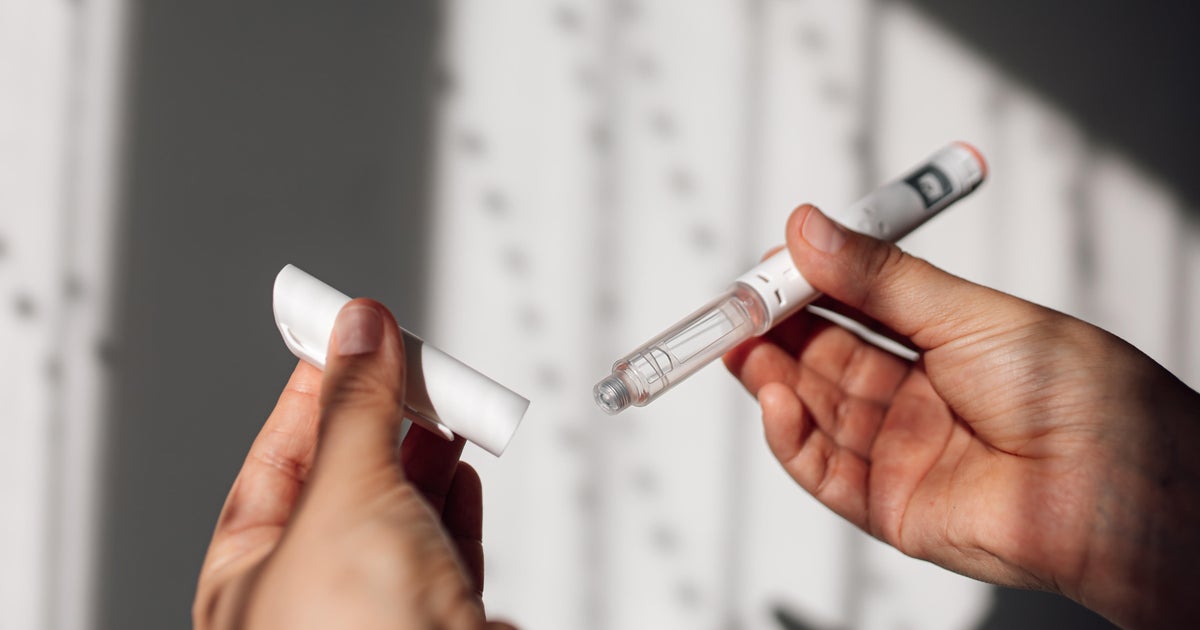
The World Health Organization (WHO) has released new conditional guidelines endorsing GLP-1 therapies for the long-term management of obesity in adults. The UN health agency advises using these medications, alongside intensive behavioral therapy including diet and exercise changes, to address obesity as a chronic disease requiring lifelong care. This marks a conceptual shift from viewing obesity as a lifestyle issue to a treatable medical condition.
Dr. Tedros Adhanom Ghebreyesus, director-general of the WHO, stated that while medication alone isn't a cure, GLP-1 therapies can help millions reduce obesity's harms. However, both recommendations are conditional due to limited data on long-term efficacy, safety, and cost-effectiveness, as well as low-certainty evidence for enhanced outcomes with behavioral therapy.
Despite these conditions, the WHO calls the drugs a "new chapter," urging immediate action on manufacturing, affordability, and system readiness to meet global needs. The organization estimates that even with increased production, fewer than 10% of those who could benefit will have access by 2030, highlighting a significant challenge for equitable distribution of these potentially life-changing treatments.