Home / Health / WHO Slams "Unethical" Guinea-Bissau Vaccine Trial
WHO Slams "Unethical" Guinea-Bissau Vaccine Trial
14 Feb
Summary
- WHO criticizes a halted trial for unethical practices on newborns.
- The trial aimed to test delayed hepatitis B vaccine doses in babies.
- Guinea-Bissau's government suspended the US-funded study due to public backlash.
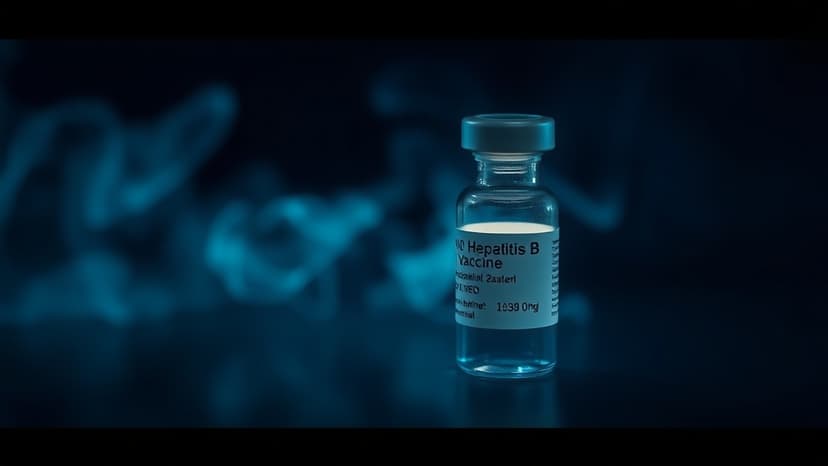
A controversial plan for a hepatitis B vaccine trial involving 14,000 newborns in Guinea-Bissau has been halted and heavily criticized by the World Health Organization as "unethical." The US-funded study, led by Danish researchers, sought to compare giving the vaccine at birth versus delaying it for six weeks. The WHO expressed "significant concerns" regarding the trial's ethical framework and scientific basis, emphasizing that the birth-dose vaccine is a proven, essential public health intervention.
Giving some newborns a vital vaccine while withholding it from others could cause "potentially irreversible harm," the WHO stated. The organization recommends all newborns receive the hepatitis B vaccine within 24 hours of birth, as this significantly prevents lifelong infection transmitted from mother to baby. Over 12% of Guinea-Bissau's adult population has chronic Hepatitis B, with infection at birth being the most common transmission route.
The trial faced public outcry, leading the Guinea-Bissau government to suspend it last month. Critics questioned the necessity of such a trial in the African nation, particularly as advisors in the US had recently reconsidered recommending the hepatitis B vaccine for all newborns. Robert F. Kennedy Jr., who heads the US Health Department, has previously promoted debunked claims about vaccine harms. Former health minister Magda Robalo stated, "Guinea-Bissauans are not guinea pigs." The WHO supports Guinea-Bissau's plan to introduce the birth dose nationwide by 2028, aligning with global standards, and believes this trial's suspension does not hinder that progress. The organization's stance underscores the established efficacy and safety of the hepatitis B birth dose, used for over three decades in numerous countries.