Home / Health / West Nile Virus Surges: Cases Expected to Be Highest Since 2000s
West Nile Virus Surges: Cases Expected to Be Highest Since 2000s
11 Aug
Summary
- West Nile virus cases are peaking in late August to early September.
- Most infected individuals show no symptoms, but severe cases require hospitalization.
- Prevention focuses on avoiding mosquito bites through repellents and reducing standing water.
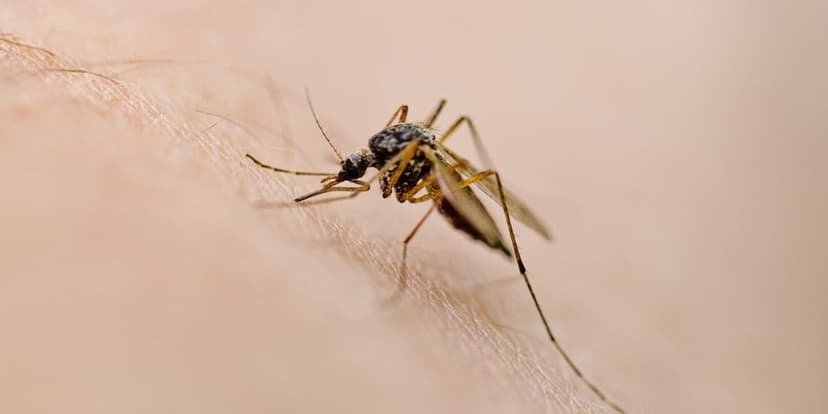
West Nile virus cases typically peak in late August to early September, with early data suggesting potential for the highest infection numbers seen since the early 2000s. The virus primarily spreads through infected mosquito bites, which contract it from birds. While approximately 2,000 people are diagnosed annually in the U.S., this number is likely an undercount as many cases go unnoticed or are mistaken for other illnesses.
Most individuals infected with West Nile virus experience no symptoms. However, about 20 percent develop flu-like symptoms, such as fever and headache, usually appearing two to six days after exposure. In rare instances, the virus can affect the central nervous system, leading to severe complications like encephalitis or meningitis. Prevention remains the most effective defense, with experts recommending avoiding mosquito-heavy times like early morning and evening, using insect repellents, and managing standing water where mosquitoes breed.


