Home / Health / Weight Drugs Cause Muscle Loss: Exercise is Key
Weight Drugs Cause Muscle Loss: Exercise is Key
9 Dec, 2025
Summary
- Weight-loss drugs cause significant muscle and bone mass loss.
- Strength training is crucial to limit muscle mass loss.
- UK gyms are urged to create tailored programs for users.

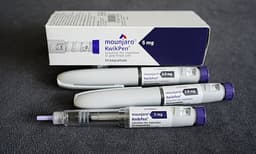
Weight-loss medications, including popular GLP-1 receptor agonists, are associated with rapid fat loss but also significant lean muscle mass reduction. This muscle loss mirrors that seen in conditions like cancer, following bariatric surgery, or due to advanced aging. Such effects can heighten the risk of frailty and falls among older adults, presenting a considerable healthcare burden.
To counteract these risks, strength training has emerged as a vital component of treatment. Experts emphasize that regular strength exercises are essential for maintaining bodily integrity and achieving sustainable results alongside weight loss. The fitness sector, including organizations like UKActive and Les Mills, is calling for governmental support to develop comprehensive programs for patients.
These weight-loss drugs function by mimicking natural hormones to regulate blood sugar and appetite, thereby reducing calorie intake. While effective for weight reduction, the NHS and NICE recommend their use in conjunction with dietary changes and exercise. A new report suggests that UK gyms should partner with the government to offer specialized exercise plans, ensuring users maintain muscle mass and promote long-term health.