Home / Health / Obesity Drug Revolution: Access and Affordability Loom
Obesity Drug Revolution: Access and Affordability Loom
16 Apr
Summary
- Weight-loss drug costs may fall dramatically due to manufacturing in China.
- Obesity is now more common in children than underweight globally.
- Patent expirations will likely lower prices for key weight-loss medications.
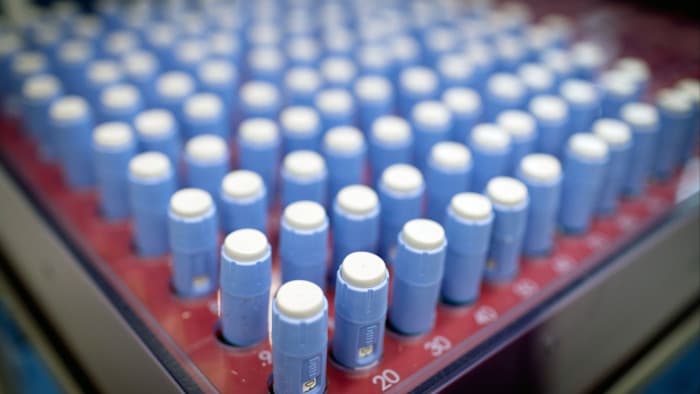
Global obesity rates have reached critical levels, with over a billion adults and, for the first time, more children living with obesity than underweight. Weight-loss drugs, initially for Type 2 diabetes, offer significant results comparable to surgery but are often prohibitively expensive, costing up to $1,300 monthly in some markets. Insurance coverage heavily influences adoption rates in countries like the US.
The economics of these drugs are shifting rapidly. As patents for key ingredients like semaglutide begin to expire in major markets, production costs are anticipated to plummet. Preprint studies suggest manufacturing could be as low as $3 for a monthly dose, a stark contrast to current prices.
China is expected to be a major driver of this change, with numerous companies developing cheaper versions of these treatments. Chinese manufacturers' control over their entire supply chain offers a significant cost advantage over Western pharmaceutical companies that often rely on third-party suppliers.
This shift from a scarcity-driven model to a volume-driven one, similar to the trajectory of statins, will improve patient access. However, it presents challenges for investors who anticipate long periods of monopoly pricing for breakthrough drugs. Innovation will remain crucial, but it may no longer guarantee sustained profitability on its own.


