Home / Health / Newborn Bleeding Risk Soars as Vitamin K Shots Decline
Newborn Bleeding Risk Soars as Vitamin K Shots Decline
5 Nov
Summary
- Vitamin K shot refusal rates have significantly increased since 2022.
- New research shows infant bleeding events rose by 47% without the shot.
- Misinformation fuels parental refusal of the vital newborn vitamin K injection.
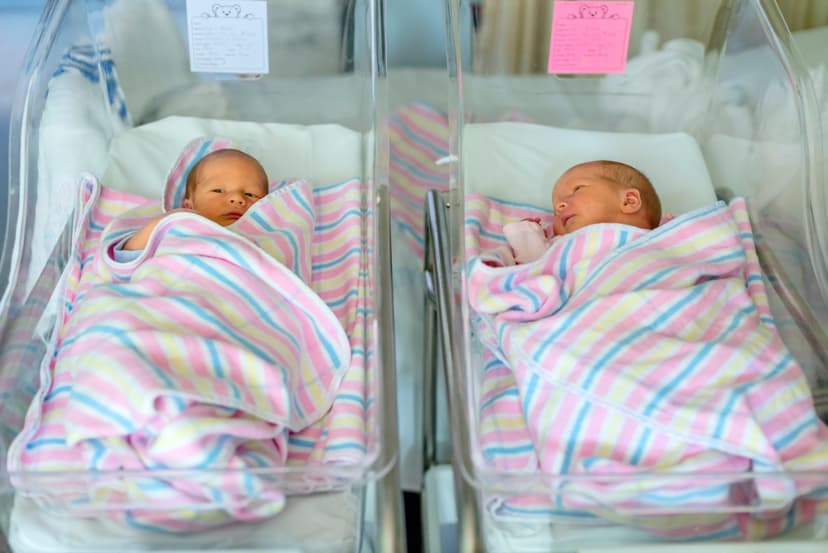
The rate of parents refusing the vitamin K shot for newborns has surged significantly, raising alarms among pediatricians about increased risks of severe bleeding in infants. Research published in JAMA indicates that the percentage of babies not receiving this essential injection at birth more than doubled from 3.1% in 2017 to 6.8% in 2025.
This trend is leading to a heightened risk of vitamin K deficiency bleeding (VKDB), a condition that can cause brain bleeds and permanent damage. Studies show babies without the vitamin K shot face a 47% increased risk of any bleeding event and a doubled risk of brain bleeds within their first six months of life.
Doctors attribute the rise in refusals to misinformation, including concerns about the shot's black box warning (which applies to intravenous adult doses) and fears about preservatives or confusion with vaccines. They stress that vitamin K is a naturally occurring vitamin critical for blood clotting, not a vaccine.
Pediatricians urge parents to consult trusted healthcare providers, likening the vitamin K shot to a car seatbelt for its protective effects against severe complications. The recommendation for the intramuscular vitamin K injection has been standard in the U.S. since the early 1960s to prevent potentially fatal bleeding events.


