Home / Health / Newborns at Risk: Vitamin K Refusals Soar
Newborns at Risk: Vitamin K Refusals Soar
8 Dec
Summary
- Nearly 4% of over 5 million babies missed vitamin K shots.
- Refusals significantly increased from 2019 to 2020.
- Lack of the vitamin makes infants 80 times more likely to bleed.
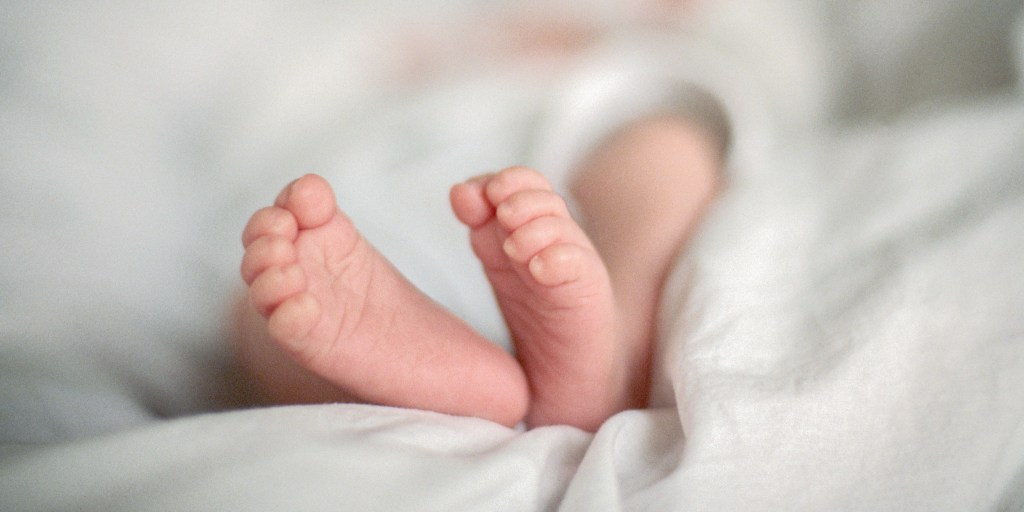
A growing number of parents are refusing vitamin K injections for their newborns, a trend that experts fear could have severe consequences. The vitamin is crucial for blood clotting, and babies are born with dangerously low levels. Hospitals began administering these shots routinely in the 1960s to prevent serious bleeding, including in the brain.
The study revealed that approximately 4% of over 5 million infants born between 2017 and 2024 did not receive the vitamin K shot. This percentage climbed from less than 3% in 2017 to over 5% by 2024, with a notable acceleration occurring around 2019-2020, coinciding with the COVID-19 pandemic.
Experts suggest that widespread misinformation, particularly on social media, and increased vaccine skepticism are fueling this decline in vitamin K administration. Unlike vaccines, the vitamin K shot is a supplement, not a vaccine, derived from plants. The consequences of refusal are dire, as untreated infants face an over 80-fold increased risk of bleeding disorders, potentially leading to death.