Home / Health / Visceral Fat: Your Silent Surgical Saboteur
Visceral Fat: Your Silent Surgical Saboteur
16 Dec
Summary
- Visceral fat significantly complicates surgeries, increasing risks and hindering recovery.
- High visceral fat impairs anaesthesia, raises bleeding risks, and slows wound healing.
- Bariatric surgery effectively targets visceral fat, improving metabolic health and safety.
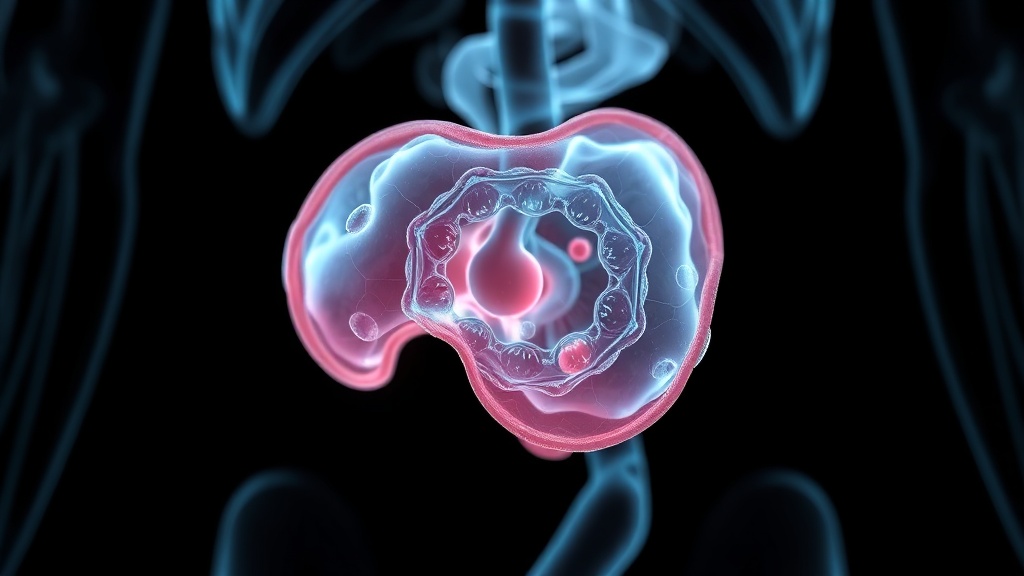
Visceral fat, often described as "fog inside the abdomen," presents critical challenges for surgical procedures. Its presence increases the risk of injury, complicates anaesthesia due to respiratory pathway narrowing, and raises the likelihood of bleeding because of fragile blood vessels. Furthermore, this biologically active fat releases inflammatory chemicals that impede wound healing and elevate the risk of infections.
This internal fat also places a considerable burden on the cardiovascular system, forcing the heart to work harder and increasing vulnerability to arrhythmias and blood pressure fluctuations during surgery. Surgeons face reduced visibility and mobility, making procedures more complex and potentially leading to less successful outcomes. Obesity, with its high visceral fat component, is now recognized as a disease.