Home / Health / Valley Fever: The Hidden Danger
Valley Fever: The Hidden Danger
11 Jun
Summary
- Valley fever often misdiagnosed for weeks, mimicking common illnesses.
- About 60-80% of cases face diagnostic delays of 23 days.
- Climate change and soil disruption may expand Valley fever's reach.
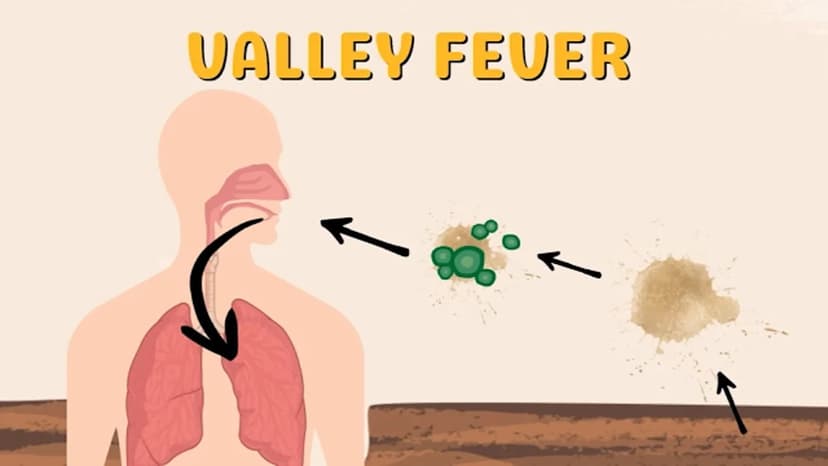
Valley fever, a fungal infection originating from soil-dwelling Coccidioides, is frequently diagnosed weeks after symptom onset, often mistaken for common respiratory illnesses. This leads to significant delays, with approximately 60% to 80% of patients awaiting a correct diagnosis for around 23 days.
The infection occurs when airborne spores from disturbed soil are inhaled. Symptoms like fever, fatigue, and night sweats can mimic less severe conditions, contributing to diagnostic challenges. Researchers estimate hundreds of thousands of symptomatic cases may go unreported annually.
Factors such as climate change, increased soil disturbance, and population growth are suspected to be expanding the geographic range of Valley fever. This underscores the critical need for heightened awareness among healthcare providers, especially in areas with high exposure risk.
To combat diagnostic delays, a framework called COCCI—covering diagnosis, ordering tests, checking risk factors, assessing complications, and initiating management—is being promoted. Early recognition and awareness are deemed key to improving patient outcomes, with most individuals developing immunity after recovery.


