Home / Health / US Women Fly Abroad for Birth Control Options
US Women Fly Abroad for Birth Control Options
18 Sep
Summary
- US patients travel internationally for IUDs due to limited options.
- Other developed nations offer more nonhormonal IUDs than the US.
- FDA approval process for IUDs is costly and lengthy in the US.
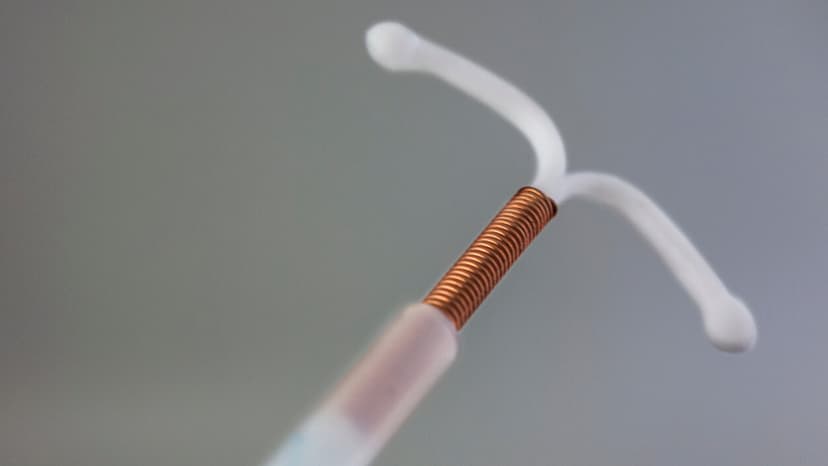
Many women in the United States seeking nonhormonal birth control options are finding themselves with limited choices. Blis Savidge, for example, traveled to Canada to obtain a different copper IUD than the primarily available Paragard in the US. This situation highlights a significant disparity, as countries like Canada and several European nations have offered a broader selection of nonhormonal IUDs for over fifteen years.
The United States has long been limited to a single copper IUD, Paragard, known for causing heavy bleeding and cramping in some users, particularly those who haven't had children. While a second copper IUD, Miudella, received FDA approval in February 2025 and is anticipated to launch later this year, many health experts argue this is still insufficient.
The low availability of diverse IUD options in the US can be partly attributed to historical issues, such as the Dalkon Shield scandal in the 1970s, which led to increased regulatory caution and reluctance from pharmaceutical companies. Furthermore, the US regulatory environment, which treats IUDs as both drugs and devices, imposes costly clinical trials on manufacturers, making it prohibitive for many international companies to bring their products to the American market.
Despite demand, devices like the Mona Lisa 5 Mini, a smaller copper IUD suitable for nulliparous women, are not expected in the US soon due to these regulatory hurdles and high product liability insurance costs. Similarly, the GyneFix IUD has been available in Europe since 1996 but has not been brought to the US because of the unaffordable approval process.


