Home / Health / Autism, ADHD: The Hidden Cost of Masking
Autism, ADHD: The Hidden Cost of Masking
3 Dec, 2025
Summary
- Masking involves concealing behaviors to fit into social norms.
- Constant masking can lead to burnout, anxiety, and depression.
- Finding safe spaces is crucial for gradually unmasking.
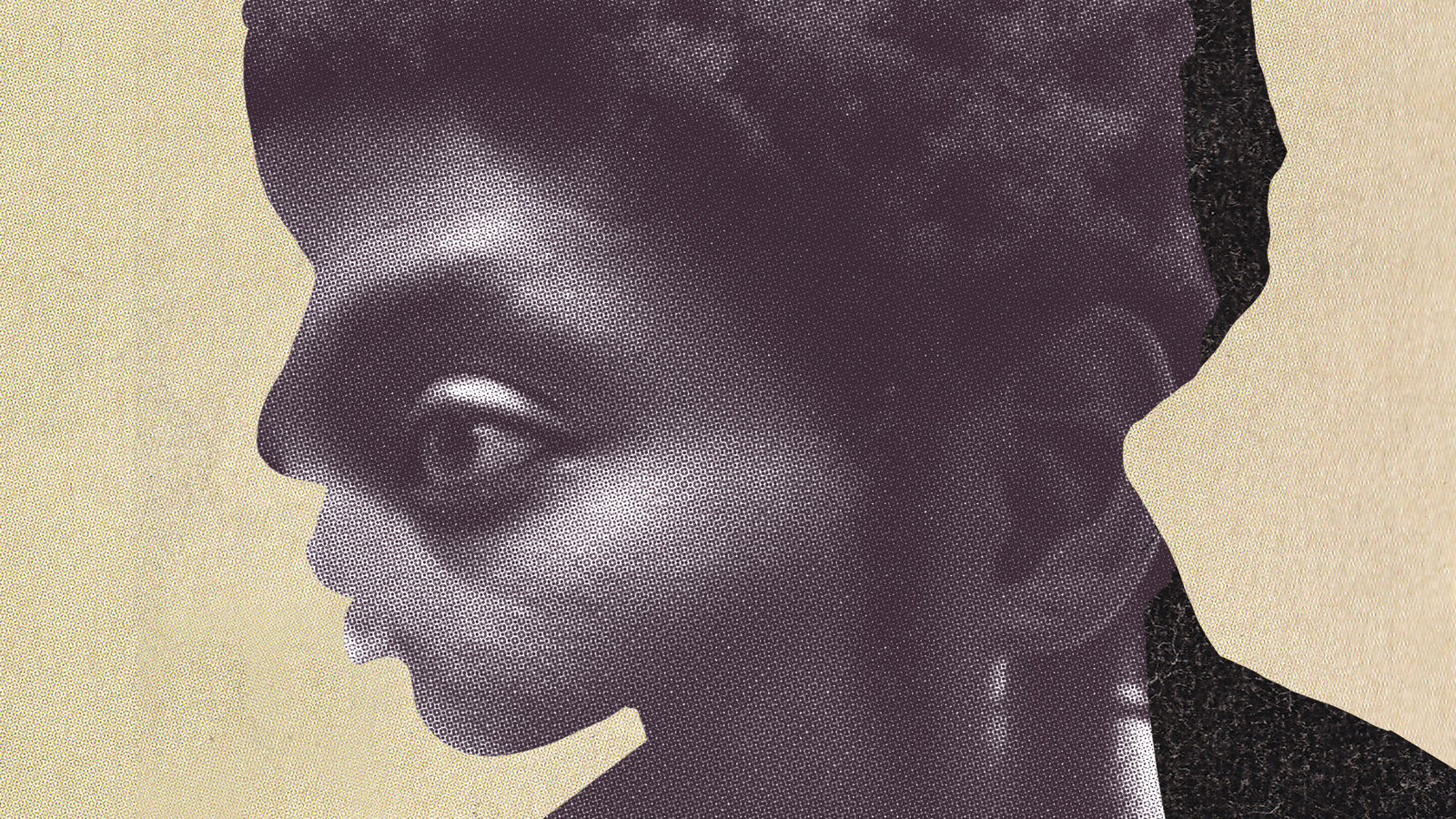
Masking, also known as camouflaging, is a strategy where individuals conceal certain behaviors or traits to conform to social expectations. This practice, observed in academic circles since the 1960s, became prominent with research on emotion concealment in the 1970s.
More recently, the autistic community adopted the term "autistic masking" to describe hiding specific behaviors like stimming or imitating social norms. While masking can be a chosen coping mechanism for anyone to feel accepted, for neurodivergent individuals, it can become an exhausting, non-stop survival tactic.
However, persistent masking can have detrimental effects, potentially causing shame, guilt, burnout, and exacerbating mental health problems. The path to unmasking involves identifying "pockets of safety" and gradually reducing this concealment, often with the support of trusted individuals or communities.