Home / Health / Beyond Arthritis: The Truth About Clicky Joints
Beyond Arthritis: The Truth About Clicky Joints
4 Feb
Summary
- Joint sounds stem from gas bubbles, tendon movement, or joint separation.
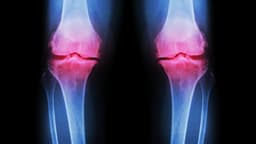
- Clicking with pain signals potential issues like osteoarthritis or tears.
- Habitual joint cracking shows no link to arthritis, research suggests.

Joint sounds, often described as popping, clicking, or creaking, arise from various bodily mechanisms. These include the bursting of gas bubbles within synovial fluid, tendons or ligaments snapping over bones, or the temporary separation and reunion of joints. While most joint noises are benign, they can sometimes signal more serious conditions.
When joint sounds occur alongside pain, swelling, instability, tingling, or reduced mobility, they warrant medical attention. These symptoms may indicate early osteoarthritis, meniscus tears, or ligament injuries. Factors such as previous injuries, excess weight, and high-impact sports increase susceptibility, with hormonal changes potentially exacerbating discomfort in women.
Interestingly, joint noises can also reflect muscle control issues. Poor stabilization of the shoulder blade or inadequate functioning of deep hip stabilizers can lead to abnormal joint movements and audible clicks. Addressing underlying muscle weakness or coordination deficits is crucial in such cases.
While cold weather and poor sleeping postures can contribute to temporary joint stiffness and creakiness due to changes in tissue expansion and synovial fluid viscosity, the long-held belief that habitual joint cracking causes arthritis lacks scientific support. A notable study spanning over 50 years found no correlation between knuckle-cracking and arthritis development.
To alleviate stiffness and discomfort, experts recommend strengthening surrounding muscles, improving flexibility through low-impact exercises like swimming and yoga, and maintaining good posture. Medical consultation is advised if joint popping or cracking is accompanied by persistent pain, swelling, instability, or locking.