feedzop-word-mark-logo
searchLogin
Feedzop
homeFor YouUnited StatesUnited States
You
bookmarksYour BookmarkshashtagYour Topics
Trending
trending

California farm issues egg recall

trending

Andy Dick apparent overdose

trending

Plane lands on Florida car

trending

Fed rate decision clouded

trending

Jen Shah released from prison

trending

Milana Vayntrub raises $500000

trending

Lake effect snow warning

trending

Jeff Garcia dead at 50

trending

Mortgage rates hold steady

Terms of UsePrivacy PolicyAboutJobsPartner With Us

© 2025 Advergame Technologies Pvt. Ltd. ("ATPL"). Gamezop ® & Quizzop ® are registered trademarks of ATPL.

Gamezop is a plug-and-play gaming platform that any app or website can integrate to bring casual gaming for its users. Gamezop also operates Quizzop, a quizzing platform, that digital products can add as a trivia section.

Over 5,000 products from more than 70 countries have integrated Gamezop and Quizzop. These include Amazon, Samsung Internet, Snap, Tata Play, AccuWeather, Paytm, Gulf News, and Branch.

Games and trivia increase user engagement significantly within all kinds of apps and websites, besides opening a new stream of advertising revenue. Gamezop and Quizzop take 30 minutes to integrate and can be used for free: both by the products integrating them and end users

Increase ad revenue and engagement on your app / website with games, quizzes, astrology, and cricket content. Visit: business.gamezop.com

Property Code: 5571

Home / Health / Australians Eating Dangerous Chemicals Daily

Australians Eating Dangerous Chemicals Daily

19 Nov

•

Summary

  • Nearly half of Australian food intake is ultra-processed.
  • Processed foods increase chronic disease and chemical exposure.
  • Global experts warn of declining dietary health trends.
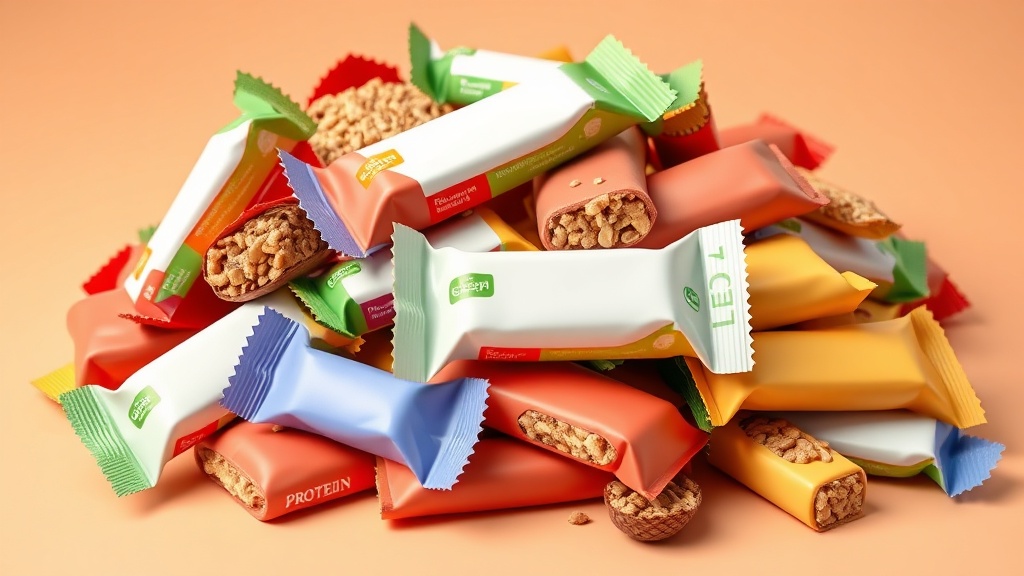
Australians Eating Dangerous Chemicals Daily

Australians are consuming a high proportion of ultra-processed foods, with nearly half of their diet falling into this category. This trend is directly linked to increased exposure to harmful chemical cocktails, including PFAS, and a heightened risk of developing chronic diseases. Experts are concerned that this dietary shift, moving away from fresh and minimally processed items, is negatively impacting public health.

The consumption of mass-produced items like bread, processed meats, ready meals, and soft drinks is contributing to this escalating health crisis. Consumers are often unaware of the complex chemical mixtures present in these foods and their potential long-term effects. This situation is a stark contrast to the protective health benefits associated with diets rich in whole foods.

A recent publication in The Lancet, featuring insights from 43 global experts, highlights the worsening dietary patterns observed worldwide. The findings suggest that the health implications of these processed diets are profound, creating a detrimental impact that is the inverse of the well-documented advantages of diets like the Mediterranean eating plan.


Disclaimer: This story has been auto-aggregated and auto-summarised by a computer program. This story has not been edited or created by the Feedzop team.
Ultra-processed foods in Australia include items like mass-produced bread, protein bars, processed meats, fast food, ready meals, soft drinks, instant noodles, and breakfast cereals.
Ultra-processed foods increase exposure to harmful chemicals and raise the risk of chronic diseases, potentially impacting health similarly to a reverse Mediterranean diet.
Global experts are concerned because Australian diets are moving away from fresh foods towards ultra-processed options, worsening overall health outcomes.

Read more news on

Healthside-arrow

You may also like

PFAS in Water Linked to Devastating Birth Outcomes

1 day ago • 16 reads

article image

Junk Food Overwhelms Global Childhood Diets

4 Dec • 12 reads

article image

AI Speeds Stroke Treatment in England

3 Dec • 25 reads

article image

Dementia Risk: New Factors Revealed

1 Dec • 26 reads

article image

Nasal Saline Irrigation: The Surprising Weapon Against Colds

17 Nov • 24 reads

article image