feedzop-word-mark-logo
searchLogin
Feedzop
homeFor YouUnited StatesUnited States
You
bookmarksYour BookmarkshashtagYour Topics
Trending
Terms of UsePrivacy PolicyAboutJobsPartner With Us

© 2026 Advergame Technologies Pvt. Ltd. ("ATPL"). Gamezop ® & Quizzop ® are registered trademarks of ATPL.

Gamezop is a plug-and-play gaming platform that any app or website can integrate to bring casual gaming for its users. Gamezop also operates Quizzop, a quizzing platform, that digital products can add as a trivia section.

Over 5,000 products from more than 70 countries have integrated Gamezop and Quizzop. These include Amazon, Samsung Internet, Snap, Tata Play, AccuWeather, Paytm, Gulf News, and Branch.

Games and trivia increase user engagement significantly within all kinds of apps and websites, besides opening a new stream of advertising revenue. Gamezop and Quizzop take 30 minutes to integrate and can be used for free: both by the products integrating them and end users

Increase ad revenue and engagement on your app / website with games, quizzes, astrology, and cricket content. Visit: business.gamezop.com

Property Code: 5571

Home / Health / UK Street Lights Linked to Cancer Risk

UK Street Lights Linked to Cancer Risk

1 Feb

•

Summary

  • Blue-rich LED street lights may increase prostate cancer risk.
  • Millions of UK street lights emit blue-rich light, posing health risks.
  • Councils prioritize energy savings over public health concerns.
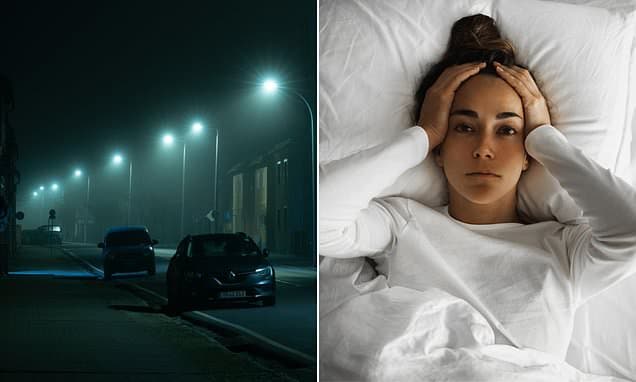
UK Street Lights Linked to Cancer Risk

The widespread installation of low-energy LED street lights in the UK, driven by Net Zero targets, is raising significant health concerns among medical experts. Studies indicate that prolonged exposure to blue-rich LED light, which illuminates millions of streets nationwide, is associated with increased risks of cancer, heart disease, and mental health issues. One study highlighted a doubled risk of prostate cancer in men heavily exposed to this type of lighting.

Despite health warnings issued a decade ago, and ongoing research by bodies like the UK Health Security Agency, many local authorities continue to deploy blue-rich LEDs. This decision appears driven by a desire to cut energy consumption and costs, with over half of the UK's nearly 5 million LED street lights estimated to emit blue-rich light. Experts are now urging a review of current standards to balance efficiency with public safety and well-being.

Some councils are beginning to acknowledge the risks, with one vowing to switch to warmer LEDs after admitting past dismissiveness of health concerns. However, many residents report negative impacts, including disrupted sleep patterns due to harsh glare. As the British Standards Institution reviews lighting guidance, pressure mounts for a more cautious approach that prioritizes health over rapid green energy implementation.

trending

Ohio snow emergency declared

trending

TikTok down in United States

trending

Andreeva matches Venus Williams' feat

trending

Warrington Hospital baby death

trending

Alexander Zverev advances in Australia

trending

Oilers host Capitals

trending

London celebrates Chinese New Year

trending

Liza Minnelli defends AI use

Disclaimer: This story has been auto-aggregated and auto-summarised by a computer program. This story has not been edited or created by the Feedzop team.
Blue-rich LED street lights have been linked to increased risks of cancer, heart disease, and mental health problems, as well as disrupted sleep patterns.
Councils are installing these lights primarily to reduce energy consumption and maintenance costs, aiming to meet climate change targets.
Yes, 'warmer' LEDs with a lower Correlated Colour Temperature (CCT) are considered safer alternatives that do not as significantly disrupt human sleep cycles.

Read more news on

Healthside-arrow

You may also like

UK Flu Strain Causes Vomiting Bile

3 Jan • 120 reads

article image

Flu Cases Dip, But Cold Snap Threatens NHS

2 Jan • 145 reads

article image

UK Braces for Frosty Health Alert

26 Dec, 2025 • 192 reads

article image

New Mpox Strain Merges Deadly Clades in UK

8 Dec, 2025 • 272 reads

article image

UK Health Crisis: Nurse Recruitment Plummets

5 Dec, 2025 • 282 reads

article image