feedzop-word-mark-logo
searchLogin
Feedzop
homeFor YouUnited StatesUnited States
You
bookmarksYour BookmarkshashtagYour Topics
Trending
Terms of UsePrivacy PolicyAboutJobsPartner With Us

© 2026 Advergame Technologies Pvt. Ltd. ("ATPL"). Gamezop ® & Quizzop ® are registered trademarks of ATPL.

Gamezop is a plug-and-play gaming platform that any app or website can integrate to bring casual gaming for its users. Gamezop also operates Quizzop, a quizzing platform, that digital products can add as a trivia section.

Over 5,000 products from more than 70 countries have integrated Gamezop and Quizzop. These include Amazon, Samsung Internet, Snap, Tata Play, AccuWeather, Paytm, Gulf News, and Branch.

Games and trivia increase user engagement significantly within all kinds of apps and websites, besides opening a new stream of advertising revenue. Gamezop and Quizzop take 30 minutes to integrate and can be used for free: both by the products integrating them and end users

Increase ad revenue and engagement on your app / website with games, quizzes, astrology, and cricket content. Visit: business.gamezop.com

Property Code: 5571

Home / Health / PEPFAR Success: Uganda Sees Dramatic Drop in Orphans

PEPFAR Success: Uganda Sees Dramatic Drop in Orphans

14 Jan

•

Summary

  • Child orphanhood in Uganda decreased significantly due to HIV foreign aid programs.
  • US-funded PEPFAR programs helped break the cycle of vulnerability for orphaned children.
  • Potential future cuts to foreign aid may reverse these life-saving gains.
PEPFAR Success: Uganda Sees Dramatic Drop in Orphans

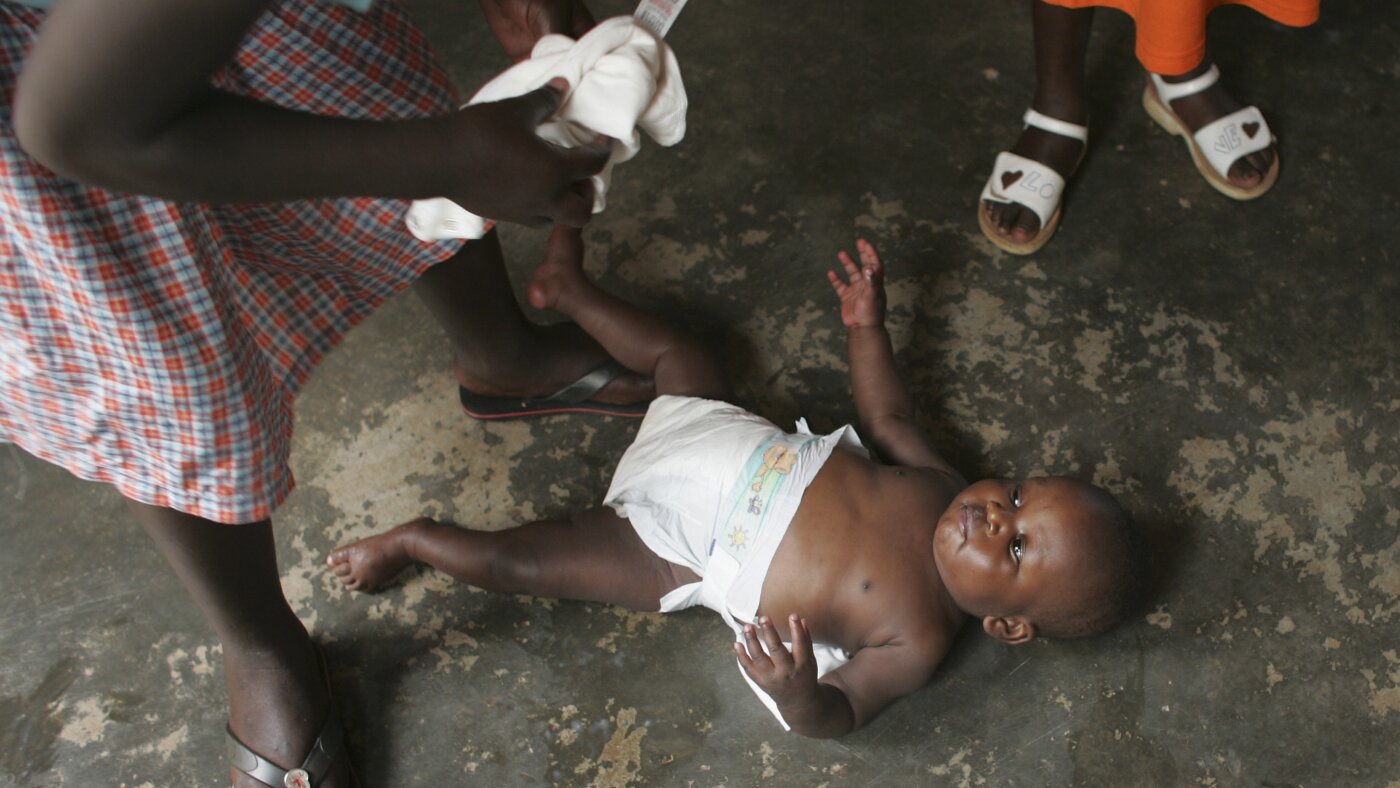
Over the past two decades, Uganda has witnessed a remarkable decrease in child orphanhood, with rates plummeting from almost one in four children in the early 2000s to just 6% in 2022. Research indicates that this significant decline is a direct result of robust HIV foreign aid programs, notably the President's Emergency Plan for AIDS Relief (PEPFAR).

These U.S.-funded initiatives have been instrumental in providing life-saving antiretroviral drugs, enabling parents with HIV to live longer and healthier lives. Consequently, children born to HIV-positive mothers are now only twice as likely to be orphaned, a stark contrast to the 20 times higher risk previously. This intervention has effectively broken cycles of vulnerability, poverty, and stigma.

trending

JPMorgan Chase earnings beat

trending

Patriots defeat Chargers 16-3

trending

Leafs beat Avalanche in OT

trending

Anthropic launches Claude for Healthcare

trending

Clippers beat Hornets

trending

Red Wings honor Fedorov

trending

Kings beat Los Angeles Lakers

trending

Emma Raducanu Hobart debut

Despite these life-saving successes, there are growing concerns regarding the future of HIV funding. Disruptions caused by recent foreign aid cuts have already impacted program delivery in Uganda, and a continued reduction in support could lead to a resurgence of HIV infections and deaths, potentially reversing the hard-won progress in preventing orphanhood.

Disclaimer: This story has been auto-aggregated and auto-summarised by a computer program. This story has not been edited or created by the Feedzop team.
PEPFAR programs provided life-saving HIV treatment, enabling parents to live longer and significantly reducing the number of children orphaned by AIDS.
As of 2022, approximately 6% of children in Uganda were orphans, a sharp decline from rates seen in the early 2000s.
Reduced foreign aid could disrupt HIV treatment programs, potentially leading to an increase in HIV transmission, deaths, and consequently, more children becoming orphans.

Read more news on

Healthside-arrow

You may also like

HIV Cure Closer? Science Explores Functional Treatment

4 Dec, 2025 • 209 reads

article image

India Beats HIV: New Infections Drop Dramatically

4 Dec, 2025 • 186 reads

article image

Global HIV Fight Threatened by US Funding Cuts

2 Dec, 2025 • 202 reads

article image

Sudan Refugees Face Aid Gap in Chad

1 Dec, 2025 • 131 reads

Aid Cuts Cripple HIV Fight in Poorest Nation

1 Dec, 2025 • 203 reads

article image