Home / Health / Unpaid Hero Keeps HIV Care Alive in Uganda
Unpaid Hero Keeps HIV Care Alive in Uganda
20 Mar
Summary
- Health worker continues HIV support without pay after U.S. aid cuts.
- Global HIV treatment levels remain stable despite program disruptions.
- Quality of HIV services and prevention programs have declined significantly.
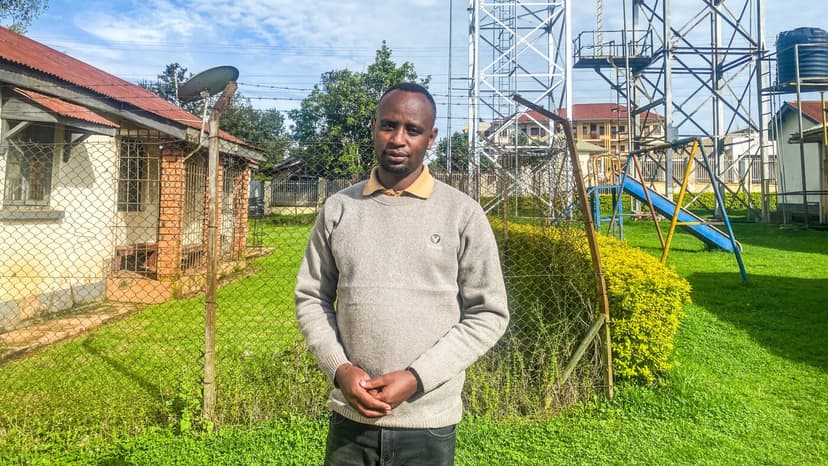
Harerimana Ismail, a community health worker in Uganda's Kabale District, continues his crucial work supporting children and teens with HIV, even after his salary was cut due to U.S. foreign aid reductions in January 2025. Despite earning no income, Ismail makes house calls to ensure young patients adhere to medication and receive care.
New data suggests that the efforts of Ismail and others have largely prevented a significant collapse in global HIV treatment. Preliminary figures indicate that treatment levels have remained stable, dipping only slightly despite disruptions. This resilience is attributed to several factors: the U.S. government restarting some critical programs, countries stepping in to fill service gaps, and the remarkable perseverance of frontline health workers like Ismail.
However, beneath the surface of stable treatment numbers, significant concerns remain. The number of people receiving HIV testing and counseling has dropped, and the quality of related services, such as prevention programs and support groups, has declined. Supply chain issues have led to expired medications, and wait times at clinics have increased.
The long-term consequences of these funding cuts are still unfolding. While the U.S. government stated that treatment numbers are stable and any perceived decline was due to temporary reporting issues, experts worry about the impact on new HIV cases and deaths. The selfless dedication of individuals like Ismail highlights a critical global effort to maintain HIV care amidst severe financial challenges.