Home / Health / TV CPR: Shockingly Inaccurate Life-Saving Dangers
TV CPR: Shockingly Inaccurate Life-Saving Dangers
28 Jan
Summary
- TV shows rarely show correct hands-only CPR techniques.
- Outdated CPR methods like mouth-to-mouth are common.
- Real CPR is exhausting and has low survival rates.

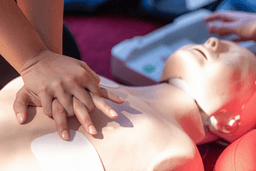
Television dramas often present a flawed picture of cardiopulmonary resuscitation (CPR). A recent analysis of 169 TV episodes revealed that less than 30 percent demonstrated the correct hands-only CPR. Nearly half of these depictions featured outdated techniques such as mouth-to-mouth resuscitation and pulse checks, which the American Heart Association no longer prioritizes.
Researchers noted that on-screen compressions are frequently too shallow and not performed with the necessary intensity. While TV characters often revive quickly, real-life CPR is demanding and has a much lower success rate, with only about 9.1 percent of patients surviving to hospital discharge. The average age of individuals receiving CPR on TV is also younger than in reality.
Despite dramatic inaccuracies, some viewers have successfully used remembered CPR techniques from shows like 'The Office' and 'Stranger Things' to save lives. However, medical professionals emphasize the importance of accurate training, as relying solely on television portrayals can be misleading. Hollywood is increasingly incorporating medical advisors to improve accuracy in health-related storylines.