Home / Health / Trump's 'Preventative' MRI: What Doctors Look For
Trump's 'Preventative' MRI: What Doctors Look For
3 Dec, 2025
Summary
- President Trump's MRI scan was deemed preventative and normal.
- MRIs can detect age-related brain changes and diseases.
- Preventative full-body MRIs for average people are generally not recommended.

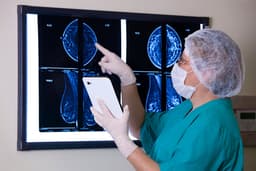
President Donald Trump's recent "preventative" MRI scan, part of his comprehensive executive physical, yielded normal results, according to his physician. This detailed examination focused on his heart and abdominal health, confirming his excellent overall condition. MRIs, which use magnets and radio waves to create internal body images without radiation, are valuable for monitoring conditions like Alzheimer's and detecting age-related issues such as brain shrinkage and cerebral small vessel disease.
While MRIs offer advanced diagnostic capabilities, their necessity as a routine preventative measure for the general population is debated. Some celebrities have turned to full-body scans for early detection, with one instance leading to the discovery of kidney cancer. However, medical professionals often caution against this trend, citing significant costs ranging from $1,000 to $3,000, which are rarely covered by insurance.