Home / Health / Summer Ticks Pose Growing Threat: Beware of New Diseases
Summer Ticks Pose Growing Threat: Beware of New Diseases
3 Jul
Summary
- Tick bites are at their highest rate since 2017 nationally.
- Climate change is causing ticks to spread into new areas.
- New tick-borne diseases like alpha-gal and Powassan are concerning.
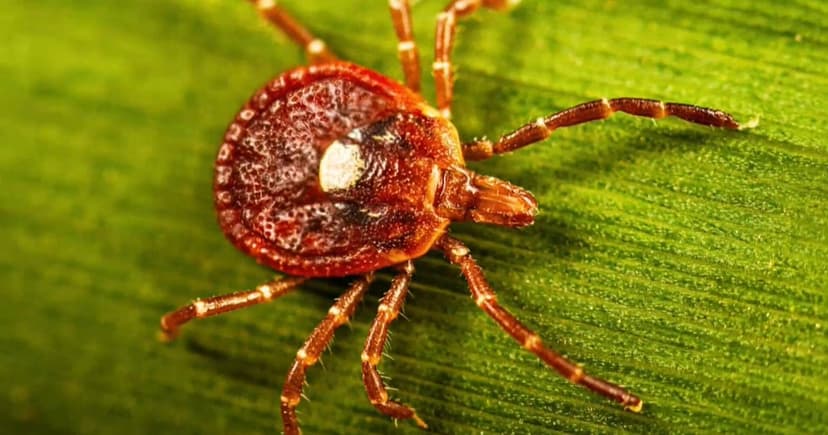
Tick season is proving to be particularly challenging this summer, with the Centers for Disease Control and Prevention reporting a significant increase in emergency room visits related to tick bites across the nation, reaching the highest rate since 2017.
Epidemiologists attribute this alarming trend to a changing climate, where warmer temperatures are enabling ticks to inhabit new geographical areas. This expansion brings with it emerging health threats.
Officials are closely monitoring specific tick species and the diseases they carry. The lone star tick, for instance, can transmit alpha-gal, a substance that may trigger red meat allergies in humans. Another major concern is the Powassan virus, a neuroinvasive pathogen capable of causing serious neurological issues such as memory loss and seizures.
Despite ongoing public education efforts on tick bite prevention, the incidence of tick-borne illnesses continues to rise. Camps, such as Camp Edwards YMCA in Wisconsin, are incorporating tick awareness into their summer programs, teaching children how to identify and remove ticks effectively to mitigate risks.


