Home / Health / Tick Bites Surge: ER Visits Double Historical Average
Tick Bites Surge: ER Visits Double Historical Average
28 May
Summary
- Tick-related ER visits in April were 71 per 100,000, double the average.
- Blacklegged and lone star tick ranges are expanding significantly.
- Climate change and deer population growth fuel tick-borne disease rise.
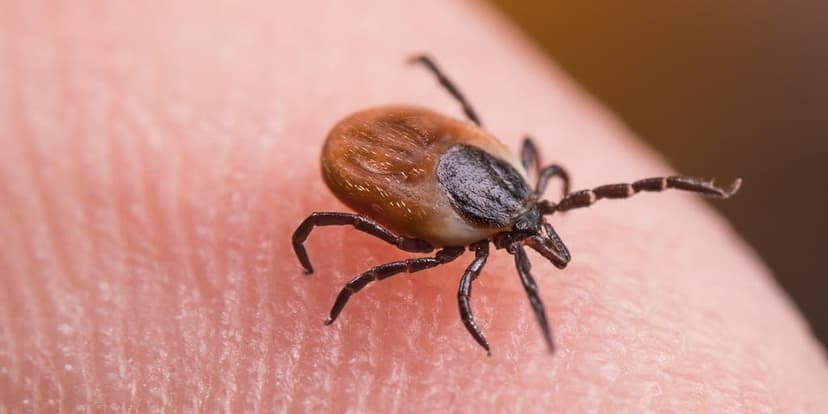
Emergency department visits related to tick bites are at their highest seasonal point since 2017. In April, approximately 71 out of every 100,000 ER visits were tick-related, significantly exceeding the historical average of around 30.
The geographic range of ticks, particularly the blacklegged tick, has expanded considerably over the past three decades. This expansion, driven by milder winters and changing precipitation patterns, has led to a notable increase in Lyme disease cases in regions like the Ohio River Valley. The lone star tick is also moving northward, introducing diseases such as ehrlichiosis and alpha-gal syndrome to new areas.
Factors contributing to this rise include warmer and wetter conditions that favor tick survival and reproduction, alongside increased human activity in natural habitats. The recovery of white-tailed deer populations, crucial hosts for ticks, further exacerbates the issue. Many areas, including parts of Canada and the central U.S., are predicted to become suitable habitats for ticks by the end of the century.
Tick-borne diseases like Lyme, anaplasmosis, ehrlichiosis, and babesiosis are becoming more prevalent. Alpha-gal syndrome, a serious allergic reaction triggered by lone star tick bites, is also a growing concern. The Powassan virus, which can cause severe neurological damage and has a significant fatality rate, is transmitted quickly after tick attachment.
Symptoms of tick-borne illnesses often include fever, chills, fatigue, headaches, and a characteristic bullseye rash for Lyme disease. Given the potential for false-negative test results early on, medical treatment may be based on symptoms and exposure history. Prompt removal of ticks and preventive measures are vital, as no vaccines are currently available for these diseases in the U.S.


