Home / Health / Texas Cancer Cluster Ignites Fury Over Decades of Pollution
Texas Cancer Cluster Ignites Fury Over Decades of Pollution
25 Mar
Summary
- A 250-square-mile area east of Houston is designated a cancer cluster.
- Residents face significantly higher rates of leukemia, lymphoma, and lung cancers.
- Cleanup efforts by responsible parties are significantly delayed, spanning decades.
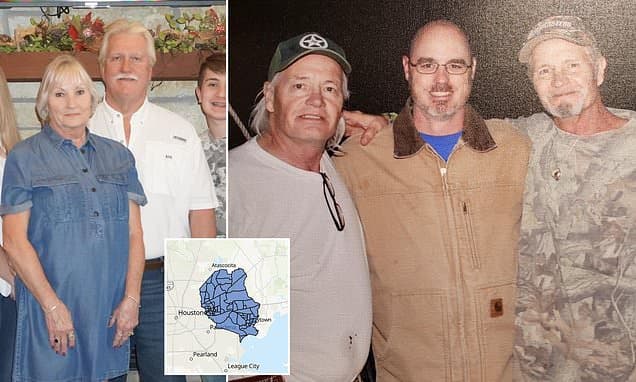
A sprawling 250-square-mile area east of Houston, Texas, has been officially recognized as a cancer cluster, confirming decades of alarming cancer rates. Residents in this region face significantly higher risks of developing leukemia, lymphoma, and lung cancers. The designation follows a February study by the state of Texas, which found cancer diagnoses "significantly greater than expected" within the San Jacinto River Waste Pits EPA superfund site.
The polluted area, comparable in size to Singapore, has a history dating back to the 1960s when International Paper and later McGinnes Industrial Management Corporation allegedly dumped carcinogenic waste. This toxic leakage has seeped into the land and water, exposing locals to dangerous dioxins and furans. Despite being identified as responsible parties in 2000, a cleanup plan was only submitted in September, causing immense frustration among victims and their families.
Locals like Gene Hennigan have lost loved ones, including his son Jeffrey who died of lung cancer. He is among many who feel that authorities and responsible companies have prioritized talk over action. Children growing up near the site are reportedly over sixteen times more likely to develop a rare eye cancer. The EPA-approved cleanup plan is expected to take another five years to address approximately 60% of the contamination.