Home / Health / Teen Body Blip: Why Movement Gets Awkward
Teen Body Blip: Why Movement Gets Awkward
11 Dec
Summary
- Teenagers experience temporary coordination loss due to rapid bodily changes.
- Neuromuscular training enhances brain-body communication for better reflexes.
- This training improves agility, balance, and injury prevention beyond sports.
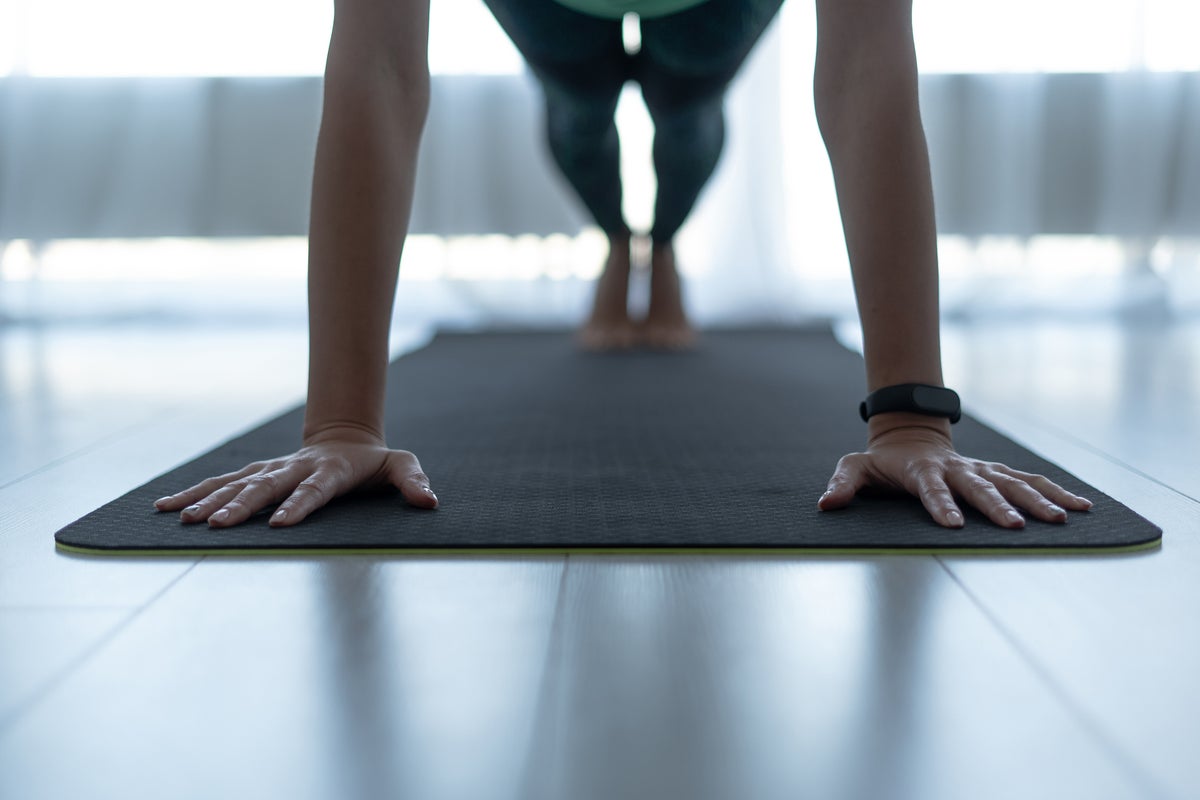
During adolescence, teenagers undergo significant physical development, with bones growing faster than muscles and nerve connections can adapt. This rapid, asynchronous growth can lead to a period of "motor-skill vulnerability," where balance, coordination, and posture control are temporarily compromised.
Neuromuscular training addresses this by focusing on improving the precision and efficiency of the brain's muscle activation signals. It encompasses exercises for strength, balance, coordination, and agility, aiming not for brute force but for enhanced movement quality. This type of training is crucial for helping the brain re-educate body control amidst constant changes.
The benefits extend beyond sports, impacting daily life by improving reaction times to stimuli like falls or uneven terrain. It fosters better body awareness, confidence, and concentration, while significantly reducing the risk of common injuries such as knee, ankle, or back issues, contributing to overall healthy development.