feedzop-word-mark-logo
searchLogin
Feedzop
homeFor YouUnited StatesUnited States
You
bookmarksYour BookmarkshashtagYour Topics
Trending
Terms of UsePrivacy PolicyAboutJobsPartner With Us

© 2026 Advergame Technologies Pvt. Ltd. ("ATPL"). Gamezop ® & Quizzop ® are registered trademarks of ATPL.

Gamezop is a plug-and-play gaming platform that any app or website can integrate to bring casual gaming for its users. Gamezop also operates Quizzop, a quizzing platform, that digital products can add as a trivia section.

Over 5,000 products from more than 70 countries have integrated Gamezop and Quizzop. These include Amazon, Samsung Internet, Snap, Tata Play, AccuWeather, Paytm, Gulf News, and Branch.

Games and trivia increase user engagement significantly within all kinds of apps and websites, besides opening a new stream of advertising revenue. Gamezop and Quizzop take 30 minutes to integrate and can be used for free: both by the products integrating them and end users

Increase ad revenue and engagement on your app / website with games, quizzes, astrology, and cricket content. Visit: business.gamezop.com

Property Code: 5571

Home / Health / Tattoo Ink Triggers Severe Hair Dye Allergies

Tattoo Ink Triggers Severe Hair Dye Allergies

22 Jan

•

Summary

  • Tattoos can cause delayed allergic reactions to inks, often triggered by external factors.
  • Red and black tattoo inks are most commonly associated with allergic reactions.
  • Reactions can manifest as scalp burning, eyebrow swelling, and persistent itching.
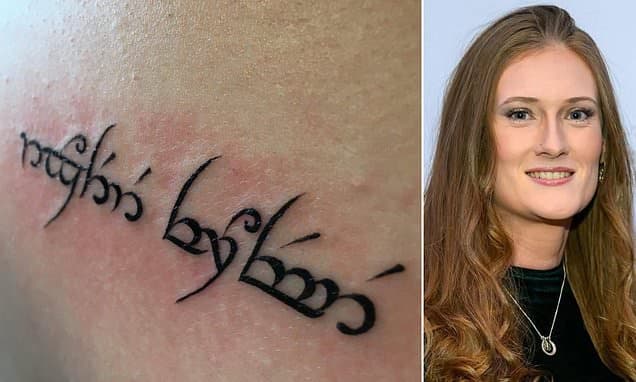
Tattoo Ink Triggers Severe Hair Dye Allergies

A surprising connection has emerged between tattoos and allergic reactions to hair dyes and other cosmetic products. Victoria Privett, a content creator, experienced severe burning and swelling after using hair dye and eyebrow tint, reactions she had never had before.

This sudden sensitivity was traced back to her tattoos. Dermatologists explain that tattoo inks, permanently placed in the skin's dermis, can be recognized by the immune system as foreign substances. This can lead to delayed allergic responses, sometimes years after getting the tattoo, potentially triggered by sun exposure, infection, or changes in health.

Certain tattoo ink colors, notably red and black, are more frequently implicated. Red inks historically contained problematic compounds, while black inks often contain para-phenylenediamine (PPD), a common allergen also found in hair dyes. This sensitization means that contact with similar chemicals in hair dye can cause a reaction.

trending

Georgia declares state of emergency

trending

DC region snowstorm threat

trending

Pittsburgh schools delayed or closed

trending

Chicago schools closed due cold

trending

North Carolina winter storm emergency

trending

LinkedIn: US firms failing AI

trending

Bezos' Blue Origin: Starlink Rival

trending

India's deltas sinking: study

trending

Southwest ends open seating policy

Treating these allergies can be challenging, with options ranging from topical steroids to more invasive treatments like steroid injections or, in severe cases, surgical removal of the tattoo. Laser tattoo removal, while an option for Victoria, is controversial as it can sometimes worsen the allergic reaction by breaking down the ink particles further. The phenomenon highlights a lesser-known risk associated with tattooing, affecting a significant portion of the tattooed population.

Disclaimer: This story has been auto-aggregated and auto-summarised by a computer program. This story has not been edited or created by the Feedzop team.
Yes, tattoo inks can sensitize your immune system, leading to allergic reactions to chemicals in hair dyes and other cosmetics.
Red and black tattoo inks are most commonly associated with triggering allergic reactions due to their pigment composition.
Symptoms can include burning, itching, swelling of the scalp, eyebrows, or skin areas where dyes are applied.

Read more news on

Healthside-arrow

You may also like

Neck Perfume: Myth or Menace?

19 Jan • 10 reads

article image

Air Pollution Linked to Higher Prostate Cancer Risk

18 Jan • 25 reads

article image

Microplastics Harm Pancreas, Study Finds

12 Jan • 74 reads

article image

Chemical Straighteners Linked to Uterine Cancer Risk

2 Jan • 67 reads

article image

Microplastics Clog Arteries, Fueling Heart Disease Risk

31 Dec, 2025 • 137 reads

article image