feedzop-word-mark-logo
searchLogin
Feedzop
homeFor YouUnited StatesUnited States
You
bookmarksYour BookmarkshashtagYour Topics
Trending
Terms of UsePrivacy PolicyAboutJobsPartner With Us

© 2026 Advergame Technologies Pvt. Ltd. ("ATPL"). Gamezop ® & Quizzop ® are registered trademarks of ATPL.

Gamezop is a plug-and-play gaming platform that any app or website can integrate to bring casual gaming for its users. Gamezop also operates Quizzop, a quizzing platform, that digital products can add as a trivia section.

Over 5,000 products from more than 70 countries have integrated Gamezop and Quizzop. These include Amazon, Samsung Internet, Snap, Tata Play, AccuWeather, Paytm, Gulf News, and Branch.

Games and trivia increase user engagement significantly within all kinds of apps and websites, besides opening a new stream of advertising revenue. Gamezop and Quizzop take 30 minutes to integrate and can be used for free: both by the products integrating them and end users

Increase ad revenue and engagement on your app / website with games, quizzes, astrology, and cricket content. Visit: business.gamezop.com

Property Code: 5571

Home / Health / Australian Tattoo Inks Contain Carcinogens, Metals

Australian Tattoo Inks Contain Carcinogens, Metals

20 Jan

•

Summary

  • Many Australian tattoo inks fail EU safety standards.
  • Inks contain carcinogens and toxic metals.
  • Australia lacks a national tattoo ink regulatory framework.
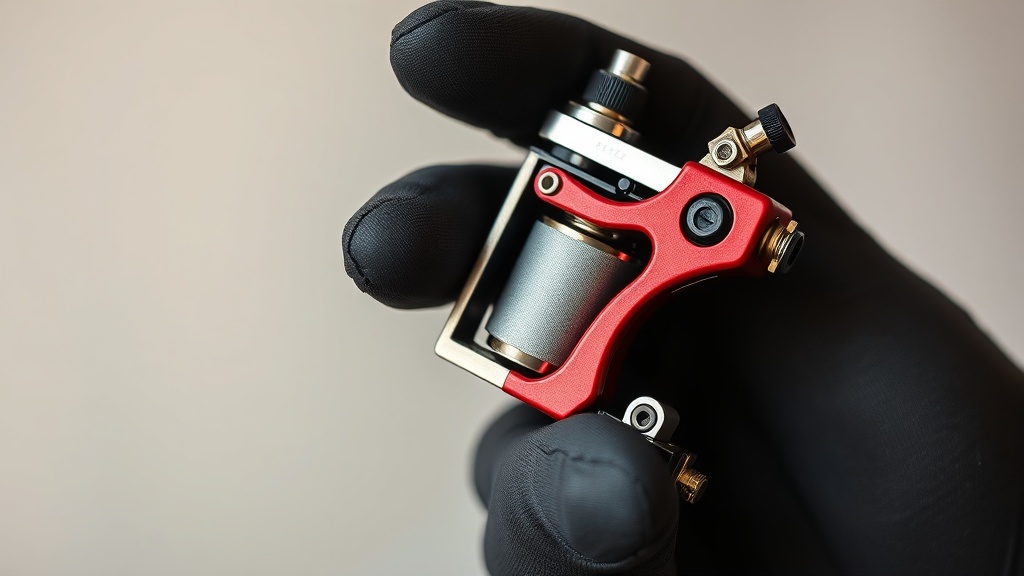
Australian Tattoo Inks Contain Carcinogens, Metals

A concerning study analysing tattoo inks sold in Australia has found that many products contain carcinogenic organic chemicals and toxic metals at levels exceeding European safety standards. While tattoos are a popular form of self-expression for a significant portion of the Australian adult population, the composition of the inks used has received less scrutiny. These findings highlight a critical gap in consumer protection, as Australia currently lacks a national regulatory framework for tattoo inks, unlike the European Union which enforced binding chemical limits in 2022.

The research, published in the Journal of Hazardous Materials, tested 15 widely-used tattoo inks. Every ink analysed failed at least one EU safety requirement, with detected levels of arsenic, cadmium, chromium, and lead exceeding legal limits set by EU regulators. Furthermore, some inks contained restricted aromatic amines known for their carcinogenic potential. While certain metals like titanium, aluminium, and zirconium were found in high concentrations in coloured inks, their long-term health effects from chronic exposure remain unknown.

trending

Earthquake hits Southern California

trending

Aurora borealis visible tonight

trending

Nick Saban docuseries announced

trending

Bill Self hospitalized in Kansas

trending

Madison Keys advances at Australian Open

trending

Pacers, 76ers face injuries

trending

Michigan 100-vehicle pileup closes I-196

trending

Blackhawks beat Jets, 2-0

trending

Mark Cuban invests Indiana football

This situation underscores a need for increased monitoring and updated Australian standards to align with international best practices. Implementing routine batch testing and reviewing existing regulations would enhance transparency, inform consumers, and mitigate unnecessary exposure to hazardous substances. As tattoos are permanent, understanding their contents is a crucial step towards informed decision-making and consumer safety in Australia.

Disclaimer: This story has been auto-aggregated and auto-summarised by a computer program. This story has not been edited or created by the Feedzop team.
No, a recent study found many tattoo inks available in Australia contain carcinogenic chemicals and toxic metals at levels that would not meet current EU safety standards.
Tattoo inks in Australia have been found to contain carcinogenic organic chemicals and toxic metals such as arsenic, cadmium, chromium, and lead.
Australia currently lacks a national regulatory framework for tattoo inks, unlike the European Union which has enforced strict chemical limits since 2022.

Read more news on

Healthside-arrowAustraliaside-arrow

You may also like

Invisible Threat: Ultrafine Particles Poisoning Us

2 Jan • 76 reads

article image

India Unveils Bomb Disposal Standard for Enhanced Security

27 Dec, 2025 • 68 reads

article image

Europe's Chemical Giants Brace for Shakeup Amid Global Shifts

25 Dec, 2025 • 130 reads

article image

Phthalates: Decades of Danger, Little Action

2 Dec, 2025 • 189 reads

Helicopter Crash: Tourists Warned Pilot of Approaching Danger

25 Nov, 2025 • 146 reads

article image