Home / Health / Tanning Beds Harm DNA, Raise Melanoma Risk 3x
Tanning Beds Harm DNA, Raise Melanoma Risk 3x
23 Dec
Summary
- Indoor tanning triples the risk of developing melanoma.
- Tanning beds cause DNA damage across nearly all skin.
- More indoor tanning equals a higher melanoma risk.
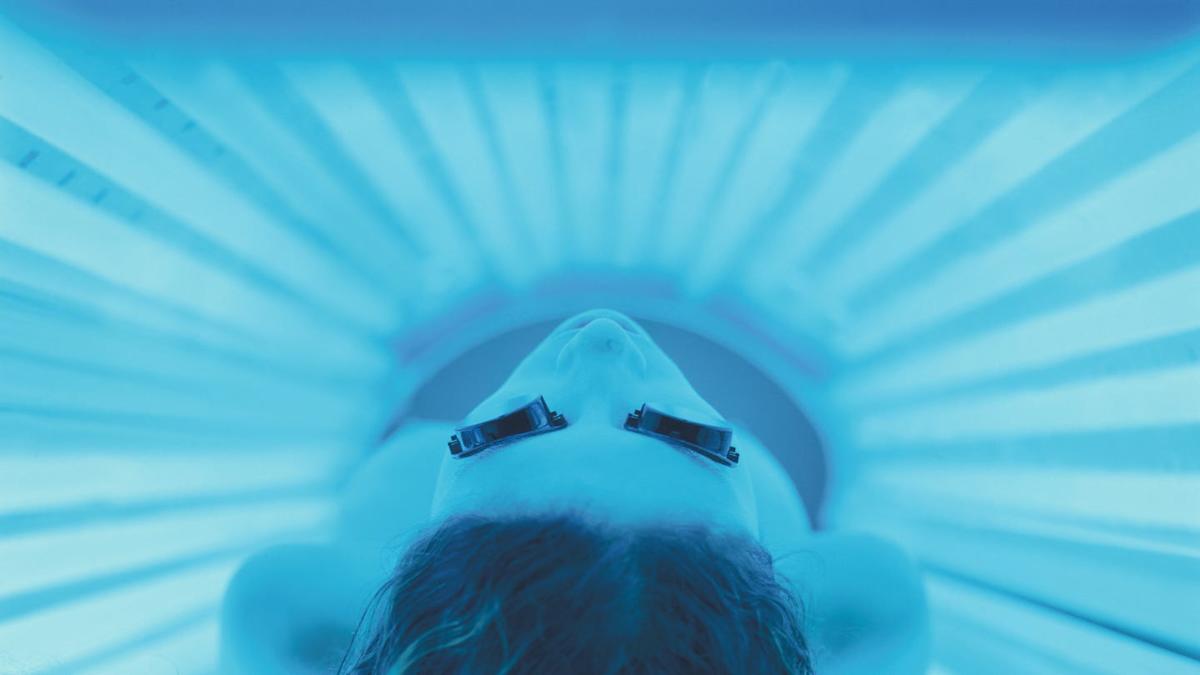
Indoor tanning is linked to a three-times greater risk of developing melanoma, the deadliest form of skin cancer, according to a recent study published in Science Advances. Researchers found that UV radiation from tanning beds not only increases mutation burden in skin cells but also directly alters DNA across nearly all skin surfaces. This damage is often most prominent on body parts that typically receive less natural sun exposure.
The study compared nearly 3,000 indoor tanning users with a control group, revealing that 5.1 percent of tanners developed melanoma versus 2.1 percent of non-tanners. A concerning "dose-dependent relationship" was observed, indicating that the more individuals used tanning beds, the higher their likelihood of developing melanoma. Experts note that these long-term consequences can lead to frequent medical procedures and the anxiety of a cancer diagnosis later in life.
Experts strongly advise against using tanning beds due to the significant DNA damage and increased cancer risk. They emphasize that the UV radiation doses and wavelengths emitted by tanning beds are often more intense than natural sunlight. For those seeking a tanned appearance, dermatologists recommend safe self-tanning products as a viable alternative.