Home / Health / Tamil Nadu Battles H5N1 Outbreak After Crow Deaths
Tamil Nadu Battles H5N1 Outbreak After Crow Deaths
9 Feb
Summary
- Over 1,500 crows died in Chennai, confirmed H5N1 bird flu.
- Authorities increased surveillance and biosecurity measures.
- Culling of domestic poultry is a key containment strategy.
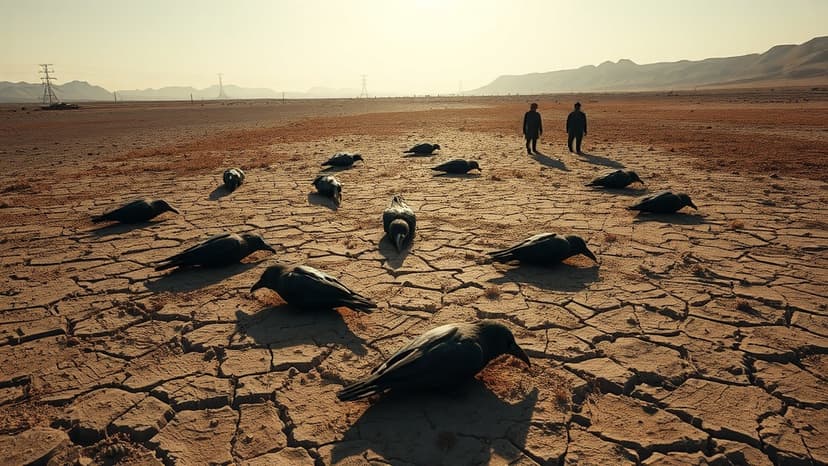
Chennai is experiencing a renewed bird flu alert as over 1,500 crows have died, with laboratory tests confirming the highly pathogenic H5N1 virus. This has prompted state and central authorities to bolster surveillance and biosecurity measures. Veterinary and public health teams are actively monitoring bird mortality and advising the public to report unusual deaths. The potential for domestic poultry to amplify the virus means that culling affected or at-risk birds is being considered as a primary containment strategy. This measure is employed globally to halt rapid spread and minimize economic impact on the poultry industry. While human transmission is rare, culling also reduces the risk of spillover to people. The state's poultry farms, such as those in Namakkal, have already enhanced their safety protocols. The response involves not only depopulation but also movement controls, enhanced biosecurity, and thorough disinfection of affected areas to prevent further transmission. The decision to cull is based on epidemiological risk, flock size, and proximity to other farms. For wild birds like crows, monitoring and safe carcass disposal are emphasized. Public health guidance includes avoiding direct contact with sick or dead birds and practicing good hygiene. Ethical and economic considerations are balanced with public health imperatives, with authorities aiming for targeted interventions and transparency. The overarching goal is to interrupt viral spread, protect public health, and safeguard the poultry sector.