Home / Health / Sweeteners May Harm Gut Bacteria, Study Finds
Sweeteners May Harm Gut Bacteria, Study Finds
16 Jul
Summary
- Sweeteners can directly affect gut bacteria growth in lab settings.
- A stevia-derived compound interacted strongly with an antidepressant.
- Over three-quarters of tested sweeteners altered bacterial growth.
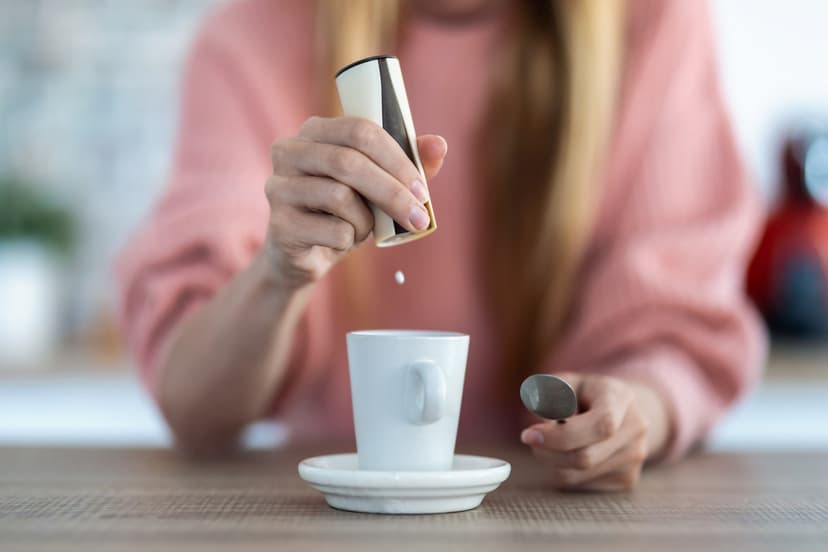
Artificial sweeteners, often perceived as healthier sugar alternatives, are now under scrutiny for their potential effects on the gut microbiome. Recent laboratory research conducted at the University of Cambridge has revealed that sweeteners can directly influence the growth of gut bacteria. Scientists examined nearly 40 different sweeteners and found that a substantial majority altered the growth patterns of at least one bacterial species.
The study highlighted a particularly striking interaction between isosteviol, a compound derived from stevia, and the antidepressant duloxetine. This combination significantly suppressed two types of gut bacteria, Roseburia intestinalis and Parabacteroides merdae, which are important for digestive health. Researchers noted that this interaction was stronger than anticipated.
Further experiments involving a synthetic community of gut bacteria demonstrated that the isosteviol and duloxetine combination led to a reduction in microbial diversity, a factor generally considered crucial for a healthy gut. The findings suggest that sweeteners should be viewed as biologically active compounds, not merely inert additives, especially when consumed with other substances like medications or food additives.
While these laboratory findings provide valuable insights into potential interactions, the researchers emphasize that further human trials are necessary to confirm direct health consequences. However, the study adds to a growing body of evidence questioning the blanket assertion that sweeteners are universally safe alternatives, particularly for individuals taking multiple medications.


