Home / Health / UK Trial Tests Ear Device to Restore Arm Movement Post-Stroke
UK Trial Tests Ear Device to Restore Arm Movement Post-Stroke
14 Feb
Summary
- A new non-invasive ear device stimulates the vagus nerve for stroke recovery.
- The Triceps trial is the largest brain stimulation and stroke study in the UK.
- The device aims to help survivors regain hand and arm movement at home.
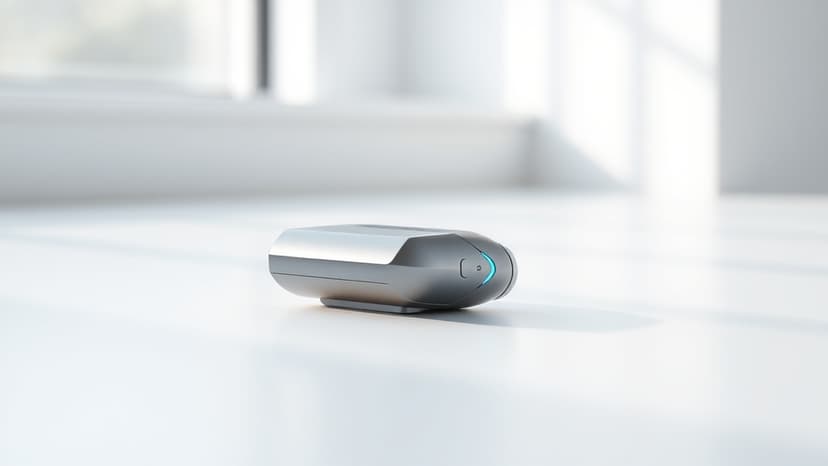
A groundbreaking trial is underway across 19 NHS sites in the UK, offering new hope for stroke survivors. The Triceps trial is investigating the effectiveness of a novel, non-invasive ear device designed to stimulate the vagus nerve, aiding in the recovery of arm and hand movement. This initiative, a collaboration between Sheffield Teaching Hospitals NHS Foundation Trust and the University of Sheffield, represents the largest study of its kind.
Participants use the small electrical device at home for up to an hour daily, combining it with rehabilitation exercises. Unlike older, surgical methods, this treatment is entirely non-invasive and aims to create a brain environment more responsive to recovery efforts. The technology has shown promising results, with participants reporting improvements in dexterity and the ability to perform everyday tasks.
Dr. Sheharyar Baig, a neurologist involved in the study, highlighted that stroke is the leading cause of adult-onset disability in the UK, affecting approximately 100,000 people annually. Around half of survivors experience ongoing arm weakness. The Triceps trial seeks to enhance recovery by making it more accessible and effective, potentially shifting rehabilitation from hospitals to patients' homes.
Early indicators from the trial are positive, with some participants experiencing significant improvements in arm function. While not a cure, the device offers a way to help stroke survivors regain independence and improve their quality of life. Researchers are also studying brain imaging and blood tests to understand individual responses to the technology, with hopes for a scalable and affordable solution.
Amanda James-Hammett, a stroke survivor who participated in the trial, described the device as life-changing, enabling her to regain independence in daily activities. Her ability to return to hobbies like sewing exemplifies the profound impact this technology can have on empowering individuals after stroke.