Home / Health / Soy vs. Chickpeas: Menopause Diet Showdown
Soy vs. Chickpeas: Menopause Diet Showdown
22 Nov
Summary
- Soybeans offer more protein than chickpeas for menopausal women.
- Soybeans provide healthier fats and more essential minerals.
- Dietary choices are key for managing menopause symptoms.
Navigating menopause involves understanding dietary choices that can alleviate common symptoms like hot flashes and sleep disturbances. Protein intake is crucial, with experts recommending 1-2 grams per kilogram of body weight to maintain muscle mass and bone strength, reducing fracture risks.
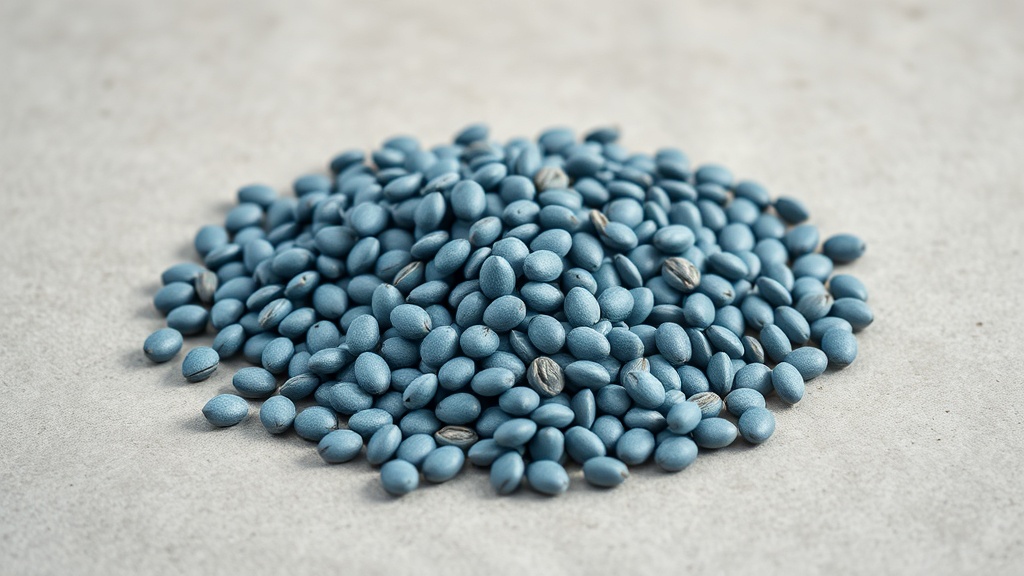
When comparing plant-based protein sources, soybeans and chickpeas are often considered. Soybeans, originating from China, contain significantly more protein (18.21g/100g) than chickpeas (8.86g/100g). Furthermore, soybeans boast a healthier fat profile with both mono- and polyunsaturated fats, alongside a broader range of minerals like magnesium, potassium, and calcium.
While chickpeas provide good sources of zinc and magnesium, and offer vitamins A and folate, soybeans also contain vitamin K. Ultimately, individual dietary needs will guide the best choice. Embracing a balanced diet rich in protein and vitamins is vital for a healthy lifestyle during and after menopause.