Home / Health / Sugar Alcohol Sorbitol Harms Liver, Study Warns
Sugar Alcohol Sorbitol Harms Liver, Study Warns
23 Dec
Summary
- Sorbitol, an artificial sweetener, can be converted to fructose in the liver.
- Gut bacteria play a crucial role in processing sorbitol effectively.
- High sorbitol intake may lead to fat accumulation in the liver.
A recent study published in Science Signaling indicates that artificial sweeteners, specifically sugar alcohol sorbitol, can negatively impact the liver and other organs. Researchers discovered that sorbitol is metabolically close to fructose and can be converted into it within the liver, a process previously linked to cancer cell growth and fatty liver disease.
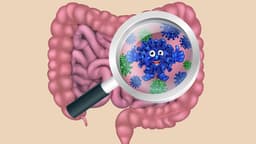
The study utilized zebrafish to demonstrate that sorbitol can be naturally produced in the body. Enzymes in the gut convert glucose into sorbitol, which is then transported to the liver. The presence and activity of specific gut bacteria are crucial for fermenting sorbitol. If these beneficial microbes are lacking or inactive, sorbitol is passed to the liver, contributing to fat buildup.
This finding raises concerns about the widespread use of sugar alcohols in "sugar-free" products, particularly for individuals managing metabolic disorders. While moderate consumption of sorbitol from whole fruits is typically managed by the gut microbiome, excessive intake from processed foods or high glucose consumption can overwhelm this system, leading to potential health issues like fatty liver.